
-
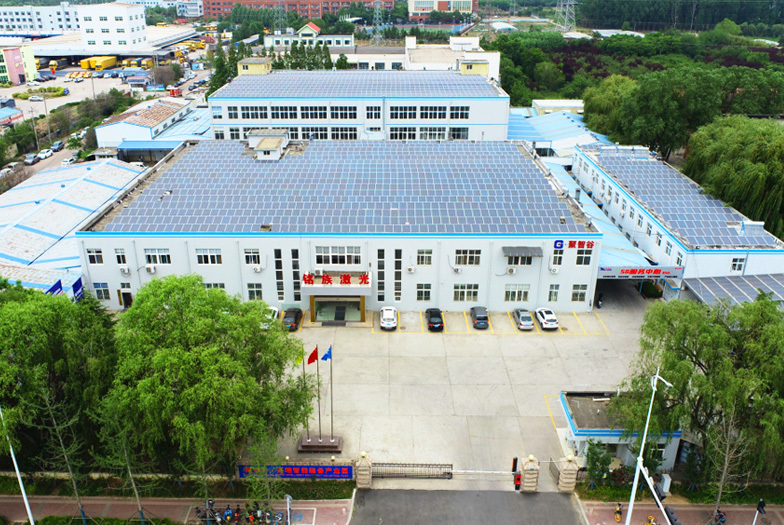
About UsEstablished in 2010, it is the first independent laser brand in Qingdao to integrate research and development, production, and sales of laser equipment.
 КонтактыТелефон службы:+86-400-9988-709
Почтовый ящик:Leo@qdmingzu.com
Почтовый ящик:Info@qdmingzu.com
Адрес:улица Янъян, 97, район Ченьян, Циндао -
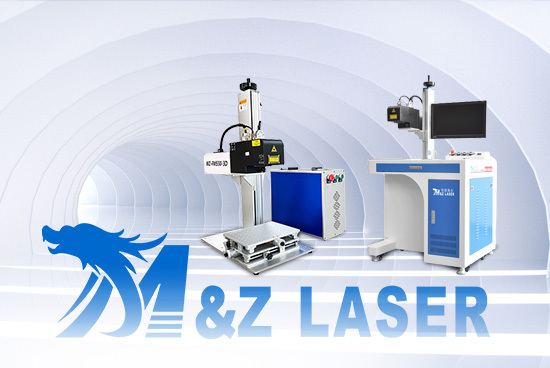
ProductsEstablished in 2010, it is the first independent laser brand in Qingdao to integrate research and development, production, and sales of laser equipment.
 КонтактыТелефон службы:+86-400-9988-709
Почтовый ящик:Leo@qdmingzu.com
Почтовый ящик:Info@qdmingzu.com
Адрес:улица Янъян, 97, район Ченьян, Циндао -
Case CenterEstablished in 2010, it is the first independent laser brand in Qingdao to integrate research and development, production, and sales of laser equipment.
 КонтактыТелефон службы:+86-400-9988-709
Почтовый ящик:Leo@qdmingzu.com
Почтовый ящик:Info@qdmingzu.com
Адрес:улица Янъян, 97, район Ченьян, Циндао -
TechnicalEstablished in 2010, it is the first independent laser brand in Qingdao to integrate research and development, production, and sales of laser equipment.
 КонтактыТелефон службы:+86-400-9988-709
Почтовый ящик:Leo@qdmingzu.com
Почтовый ящик:Info@qdmingzu.com
Адрес:улица Янъян, 97, район Ченьян, Циндао -
NewsEstablished in 2010, it is the first independent laser brand in Qingdao to integrate research and development, production, and sales of laser equipment.
 КонтактыТелефон службы:+86-400-9988-709
Почтовый ящик:Leo@qdmingzu.com
Почтовый ящик:Info@qdmingzu.com
Адрес:улица Янъян, 97, район Ченьян, Циндао
Application of Laser Cleaning Machines in Metal Rust Removal
Release time:
2025-12-04
Rust formation on metal surfaces is a common problem in industrial equipment and machinery. Particularly in humid or corrosive environments, metal surfaces tend to develop oxide layers and rust, which can adversely affect the performance, service life, and appearance of metallic components. Traditional metal rust removal methods—such as mechanical rust removal, chemical rust removal, and sandblasting—often suffer from issues including complicated operations, uneven results, significant damage to metal surfaces, and environmental pollution. In contrast, laser cleaning technology, as an efficient and environmentally friendly surface-cleaning method, has already gained widespread adoption in the field of metal rust removal and has demonstrated unique advantages. The following is an introduction to the application of laser cleaning machines in metal rust removal.
1. The working principle of a laser cleaning machine
A laser cleaning machine emits a high-energy laser beam that is directed onto the metal surface. The laser beam interacts with the metal surface, causing rust, oxide layers, oil stains, and other contaminants on the surface to rapidly evaporate or fracture. The high energy of the laser quickly raises the temperature of the rust layer, leading to the breakdown of rust molecules. The resulting gases are carried away by an airflow, leaving the metal surface exposed and bare once again.
This laser cleaning method is a non-contact cleaning technique that does not cause physical abrasion to metal surfaces. Moreover, the energy of the laser can be precisely controlled, enabling it to accurately remove rust layers without damaging the metal substrate itself.
2. Advantages of laser cleaning machines in metal rust removal
High-efficiency cleaning Laser cleaning is far more efficient than traditional mechanical and chemical cleaning methods. The laser beam’s concentrated energy allows it to remove thick layers of rust in an extremely short time. Particularly in large-scale production, laser cleaning can significantly enhance cleaning efficiency and reduce downtime.
Environmentally friendly and pollution-free Compared with chemical cleaning methods, laser cleaning does not require the use of chemical cleaners, solvents, or water; therefore, it eliminates the issue of wastewater, exhaust gases, and chemical waste disposal, thus meeting environmental protection requirements. Laser cleaning also avoids the potential hazards that chemicals pose to both the environment and operators.
Non-contact cleaning Laser cleaning involves using a laser beam to interact with the metal surface for cleaning, without causing any physical wear or scratches on the surface. It is particularly well-suited for precision components, delicate parts, or metal workpieces with complex geometries.
Precise control Laser cleaning machines can precisely control the cleaning depth and scope by adjusting parameters such as laser power, frequency, and irradiation time. For different types of rust layers or contaminants, laser cleaning can be customized to ensure that the integrity of the metal substrate is not compromised.
Easy to operate Modern laser cleaning machines are equipped with automated control systems that enable one-button operation, reducing the need for manual intervention and making them ideal for large-scale production and repetitive cleaning tasks.
3. Application fields of laser cleaning machines in metal rust removal
The high efficiency and environmental friendliness of laser cleaning machines are making their application in metal rust removal increasingly widespread, particularly in the following industries:
(1) Automobile manufacturing
During automobile manufacturing, many metal components undergo rusting during production, storage, and transportation—especially those requiring high-quality surface treatments, such as body structures and engine parts. Laser cleaning can efficiently remove rust and oxides from metal surfaces, providing a clean surface for subsequent painting, welding, and other surface treatment processes.
Application Cases Laser cleaning technology is widely used to remove rust from automotive components such as car frames, engine parts, chassis, and sheet metal. On the production lines for these components, laser cleaning can quickly remove surface rust without compromising the precision of the parts.
(2) Shipbuilding and Maintenance
Due to prolonged navigation in seawater, metal components of ships are often subject to corrosion. The layer of rust on the ship's exterior must be regularly removed to ensure the structural integrity and coating quality of the vessel.
Application Cases Laser cleaning is widely used for removing rust from steel plates, hull shells, and mechanical components of ships. Laser cleaning not only effectively removes rust layers but also provides a clean surface for subsequent painting, preventing contamination of the new coating.
(3) Aerospace
The metal surfaces of aerospace components must maintain a high degree of cleanliness and smoothness to ensure the safety and performance of aircraft. Laser cleaning can precisely remove rust, oil stains, coatings, and oxides from aircraft surfaces, making it particularly suitable for high-precision metal parts with complex shapes.
Application Cases In the production and maintenance of aircraft engines, airframe components, and structural parts, laser cleaning can be used to remove rust and coatings from tiny components, providing a clean surface for subsequent welding, painting, and coating processes.
(4) Heavy machinery and equipment
Many heavy-duty mechanical devices, when used over a long period, can develop rust due to factors such as humid environments and corrosive gases, which in turn affect their normal operation. Traditional rust removal methods require significant time and labor, whereas laser cleaning can efficiently and non-destructively remove this rust.
Application Cases Laser cleaning technology has achieved remarkable applications in the rust removal and maintenance of heavy-duty equipment such as excavators, cranes, and construction machinery. Laser cleaning can rapidly remove rust from the surfaces of large-scale equipment, ensuring the stability and reliability of equipment performance.
(5) Iron and Steel and Metallurgical Industry
Many pieces of equipment, pipelines, and components in the steel industry are prone to rusting under high-temperature and humid conditions. Laser cleaning can be used to remove rust, oxide scales, and adhering deposits from the surfaces of these devices, making it particularly well-suited for large-scale cleaning operations.
Application Cases In steel plant pipelines, furnace chambers, and conveying equipment, laser cleaning can quickly remove rust and oxides, thereby extending the service life and improving the efficiency of the equipment.
(6) Building and Bridge Maintenance
In some older buildings and bridge structures, metal components often corrode due to prolonged exposure to harsh environmental conditions. Laser cleaning technology can remove rust layers from metal surfaces without damaging the original structure, providing a better foundation for repair and corrosion protection.
Application Cases Laser cleaning is applied to the maintenance and repair of bridges and steel structures in buildings, particularly for removing surface rust, paint, and old coatings. This approach significantly improves work efficiency and ensures safety.
4. Future Prospects for Laser Cleaning Machines
As laser technology continues to advance, the application prospects of laser cleaning machines in metal rust removal will become even broader. In the future, laser cleaning technology is expected to achieve further breakthroughs in the following areas:
Automation and Intelligence Laser cleaning equipment will evolve toward greater automation and intelligence, enabling fully automated operations, reducing human intervention, and enhancing production efficiency.
Device miniaturization As laser technology continues to advance, laser cleaning machines will become more compact, making them suitable for use in a wider range of industrial settings—especially in environments with space constraints.
Cost reduction As laser cleaning technology becomes more widespread and production scales up, the cost of laser cleaning equipment will gradually decrease, potentially enabling broader applications in the future—especially among small and medium-sized enterprises.
5. Summary
As an efficient, environmentally friendly, and precise metal rust removal technology, laser cleaning machines have been widely adopted across various industries. Compared with traditional methods such as chemical cleaning and mechanical cleaning, laser cleaning not only effectively removes rust layers from metal surfaces but also avoids the damage and contamination that conventional methods can cause to metal surfaces. With continuous technological advancements, laser cleaning will play an increasingly important role in the field of metal rust removal, driving the development of cleaning technologies across all industries toward greater environmental friendliness, efficiency, and precision.

Tiktok QR code
Service Phone:+86-400-9988-709
Address: No.97 YanYang Road, ChengYang District, Qingdao City
COPYRIGHT © 2023 MINGZU LASER TECH CO.,LTD ALL RIGHTS RESERVED