

-
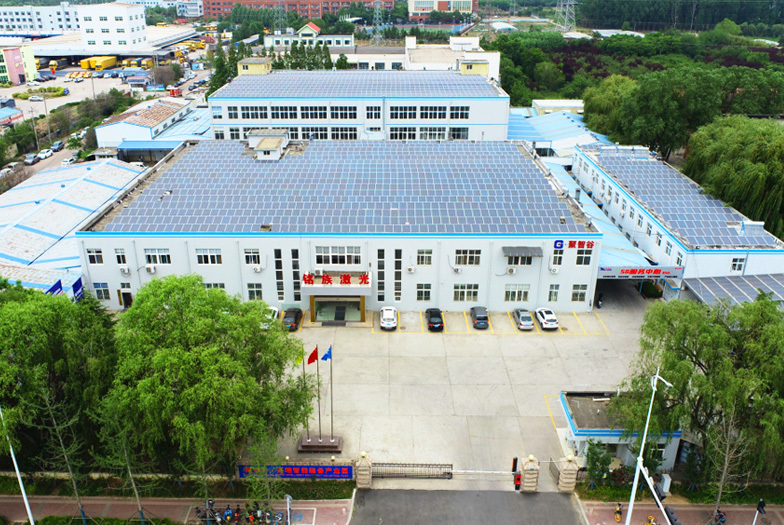
About UsEstablished in 2010, it is the first independent laser brand in Qingdao to integrate research and development, production, and sales of laser equipment.
 КонтактыТелефон службы:+86-400-9988-709
Почтовый ящик:Leo@qdmingzu.com
Почтовый ящик:Info@qdmingzu.com
Адрес:улица Янъян, 97, район Ченьян, Циндао -
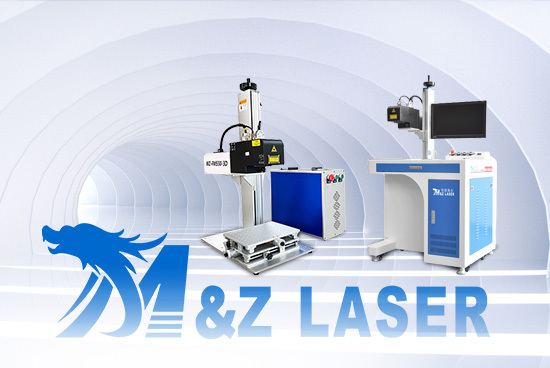
ProductsEstablished in 2010, it is the first independent laser brand in Qingdao to integrate research and development, production, and sales of laser equipment.
 КонтактыТелефон службы:+86-400-9988-709
Почтовый ящик:Leo@qdmingzu.com
Почтовый ящик:Info@qdmingzu.com
Адрес:улица Янъян, 97, район Ченьян, Циндао -
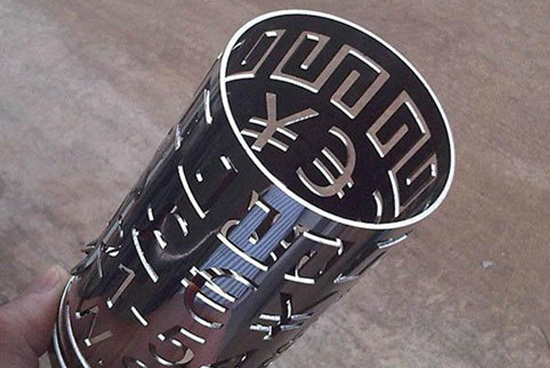
Case CenterEstablished in 2010, it is the first independent laser brand in Qingdao to integrate research and development, production, and sales of laser equipment.
 КонтактыТелефон службы:+86-400-9988-709
Почтовый ящик:Leo@qdmingzu.com
Почтовый ящик:Info@qdmingzu.com
Адрес:улица Янъян, 97, район Ченьян, Циндао -
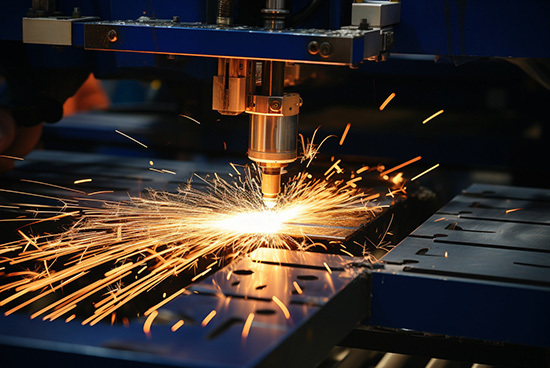
TechnicalEstablished in 2010, it is the first independent laser brand in Qingdao to integrate research and development, production, and sales of laser equipment.
 КонтактыТелефон службы:+86-400-9988-709
Почтовый ящик:Leo@qdmingzu.com
Почтовый ящик:Info@qdmingzu.com
Адрес:улица Янъян, 97, район Ченьян, Циндао -
NewsEstablished in 2010, it is the first independent laser brand in Qingdao to integrate research and development, production, and sales of laser equipment.
 КонтактыТелефон службы:+86-400-9988-709
Почтовый ящик:Leo@qdmingzu.com
Почтовый ящик:Info@qdmingzu.com
Адрес:улица Янъян, 97, район Ченьян, Циндао

Analysis of the Advantages of Laser Welding of Galvanized Steel Sheets Compared to Traditional Welding
Release time:
2025-12-17
I. Introduction
Galvanized steel sheet because it... Good corrosion resistance and moderate cost. It is widely used in sheet metal fabrication, enclosure and cabinet manufacturing, window and door production, automotive parts, and the home appliance industry. However, the galvanized layer tends to vaporize during the welding process, leading to... Porosity, spatter, false soldering, and unsightly weld seams. and other issues, posing numerous challenges to traditional welding methods.
As laser welding technology matures, Laser welding of galvanized steel sheets It is gradually replacing some traditional welding processes and is becoming an important direction for industry upgrading.
II. Common Issues with Traditional Welding of Galvanized Steel Sheets
1. Severe stomata and blast spots
The galvanized layer has a low melting point and a low boiling point. During conventional welding processes such as argon arc welding and electric welding, the zinc layer vaporizes instantly, generating large amounts of gas that easily lead to porosity and cracking at the weld points, thereby compromising the strength of the weld.
2. Unstable weld quality
Traditional welding is heavily influenced by the welder's skill; weld seams tend to be uneven in width, have poor formation, and exhibit poor repeatability and consistency.
3. High heat input leads to significant deformation.
Traditional welding has a large heat-affected zone, which easily leads to plate deformation and extensive damage to the galvanized layer. Subsequently, further straightening and zinc-replenishing treatments are required.
4. Post-processing costs are high.
Usually required after welding. Grinding, re-welding, and removing spatter Labor costs and processing time have increased significantly.
III. Core Advantages of Laser Welding of Galvanized Steel Sheets
1. Small heat-affected zone, effectively reducing damage to the zinc layer.
Laser welding features concentrated energy and a short duration of action, heating only the localized area of the weld seam. Significantly reduce the extent of burn damage to the galvanized layer. , preserving the overall corrosion resistance of the plate.
2. Significantly reduces porosity and spatter.
By appropriately controlling the laser power, welding speed, and oscillation parameters, zinc vapor can quickly escape, resulting in a denser weld bead formation and effectively reducing porosity and spatter issues.
3. The weld seam is aesthetically pleasing and requires no grinding after welding.
Laser weld seam Narrow and uniform, with a smooth shape. After welding, virtually no grinding is required, making it particularly suitable for products with high appearance standards, such as computer cases, kitchenware, and doors and windows.
4. High welding efficiency and fast production cycle.
Laser welding speed can reach that of conventional welding. 2–5 times It has particularly obvious advantages in the processing of thin-sheet galvanized parts and helps to boost overall production capacity.
5. Low operational threshold and high stability
Take handheld laser welding as an example: it’s easy to operate and can be mastered in a short time. It requires low skill levels from welders and ensures stable, consistent welding quality.
6. Adaptable to various welding methods
Laser welding can be easily achieved. Butt weld, fillet weld, lap weld It is suitable for welding galvanized sheets of different thicknesses and structures.
IV. Comparative Analysis of Economic Benefits
| Project | Traditional welding | Laser welding |
|---|---|---|
| Welding speed | Slow | Quick |
| Weld quality | Unstable | Stable and consistent |
| Stomatal splashing | Many | Few |
| Post-weld treatment | Grinding and weld repair | Basically unnecessary |
| Artificial dependency | High | Low |
| Total cost | High | Lower |
From a long-term operational perspective, although the initial investment in laser welding equipment is relatively high, ... Labor costs, rework rate, and production efficiency It has obvious advantages in various aspects and boasts more competitive overall costs.
V. Application Scenarios and Development Trends
Currently, laser welding of galvanized steel sheets is widely used in:
Sheet metal fabrication industry
Chassis and Cabinet Manufacturing
Window and Door Profile Processing
Home appliances and auto parts
As the prices of laser equipment gradually decline and the technology continues to mature, Laser welding will become the mainstream solution for welding galvanized sheets. 。
VI. Conclusion
Compared to traditional welding methods, Laser welding of galvanized steel sheets offers distinct advantages in terms of welding quality, efficiency, appearance, and overall cost. For enterprises striving for high-quality, high-efficiency, and standardized production, introducing laser welding is not only a technological upgrade but also a crucial step in enhancing market competitiveness.

Tiktok QR code
Service Phone:+86-400-9988-709
Address: No.97 YanYang Road, ChengYang District, Qingdao City
COPYRIGHT © 2023 MINGZU LASER TECH CO.,LTD ALL RIGHTS RESERVED