
-
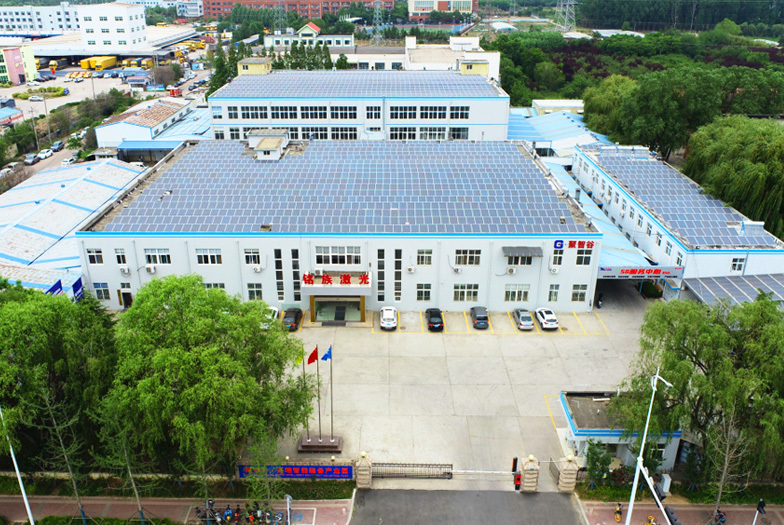
About UsEstablished in 2010, it is the first independent laser brand in Qingdao to integrate research and development, production, and sales of laser equipment.
 КонтактыТелефон службы:+86-400-9988-709
Почтовый ящик:Leo@qdmingzu.com
Почтовый ящик:Info@qdmingzu.com
Адрес:улица Янъян, 97, район Ченьян, Циндао -
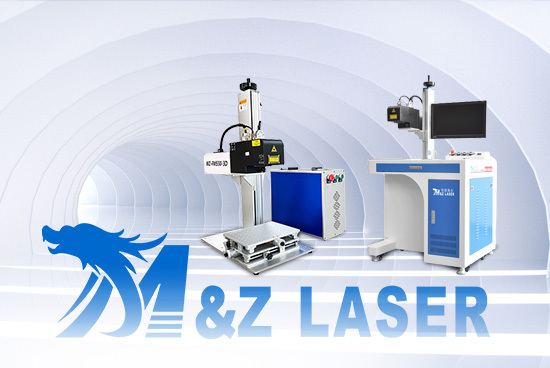
ProductsEstablished in 2010, it is the first independent laser brand in Qingdao to integrate research and development, production, and sales of laser equipment.
 КонтактыТелефон службы:+86-400-9988-709
Почтовый ящик:Leo@qdmingzu.com
Почтовый ящик:Info@qdmingzu.com
Адрес:улица Янъян, 97, район Ченьян, Циндао -
Case CenterEstablished in 2010, it is the first independent laser brand in Qingdao to integrate research and development, production, and sales of laser equipment.
 КонтактыТелефон службы:+86-400-9988-709
Почтовый ящик:Leo@qdmingzu.com
Почтовый ящик:Info@qdmingzu.com
Адрес:улица Янъян, 97, район Ченьян, Циндао -
TechnicalEstablished in 2010, it is the first independent laser brand in Qingdao to integrate research and development, production, and sales of laser equipment.
 КонтактыТелефон службы:+86-400-9988-709
Почтовый ящик:Leo@qdmingzu.com
Почтовый ящик:Info@qdmingzu.com
Адрес:улица Янъян, 97, район Ченьян, Циндао -
NewsEstablished in 2010, it is the first independent laser brand in Qingdao to integrate research and development, production, and sales of laser equipment.
 КонтактыТелефон службы:+86-400-9988-709
Почтовый ящик:Leo@qdmingzu.com
Почтовый ящик:Info@qdmingzu.com
Адрес:улица Янъян, 97, район Ченьян, Циндао

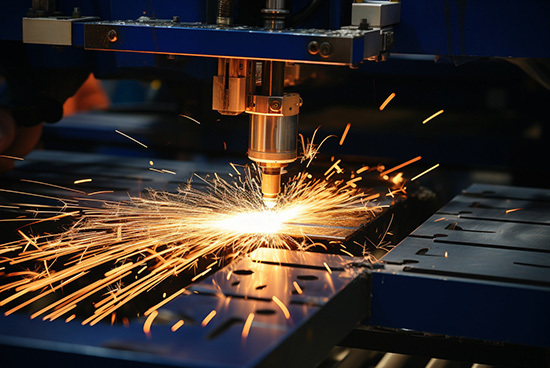
The combination of automation and intelligence boosts the production efficiency of laser marking machines.
Release time:
2025-12-06
As the manufacturing industry increasingly demands efficient, precise, and flexible production, laser marking machines have not only achieved breakthroughs in marking technology but have also been deeply integrated with automation and intelligent technologies, significantly enhancing both production efficiency and precision. These laser marking machines, which integrate automated control and intelligent operations, enable batch production, automated adjustments, and remote monitoring, greatly improving the operational efficiency of production lines while reducing the need for manual intervention and lowering operational costs.
1. Automated production line integration
Laser marking machines can be seamlessly integrated with other equipment in the production line—such as conveyor belts, robots, and automated loading and unloading systems—to create a fully automated production system. The automated marking process requires no manual intervention, significantly boosting production efficiency and reducing errors and instabilities caused by human operation. Automated loading and unloading and conveying systems can automatically supply workpieces to the laser marking machine without interrupting production, enabling 24-hour continuous operation and ensuring uninterrupted manufacturing.
2. Intelligent Control and Regulation
Modern laser marking machines are equipped with intelligent control systems that can automatically adjust marking parameters—such as laser power, frequency, and speed—according to different product requirements. Thanks to advanced algorithms and control systems, the equipment can intelligently optimize process parameters based on the unique characteristics of various materials and specific marking demands, ensuring that each mark meets quality standards. Moreover, the intelligent system can also automatically adjust production strategies in response to changes in production tasks, enabling it to flexibly meet diverse manufacturing needs.
3. Real-time data monitoring and remote operation
The laser marking machine is connected to the production management system via the internet or intranet, enabling real-time data monitoring and remote operation. Managers can view production status, equipment operating conditions, and production data anytime and anywhere using devices such as smartphones and computers. Moreover, the remote fault diagnosis and remote debugging features help companies quickly resolve equipment malfunctions, reduce downtime, and improve production efficiency.
4. Efficient mass production
The combination of automation and intelligence makes laser marking machines particularly well-suited for large-scale, mass production. These machines can complete marking tasks on hundreds to thousands of workpieces in a remarkably short time, according to pre-set programs, while maintaining consistent quality and precision for each individual workpiece—thus greatly enhancing the overall efficiency of the production line. Moreover, automated systems can handle products of various specifications and types, eliminating bottlenecks caused by manual intervention and boosting production flexibility.
5. Reduce labor costs and human error.
Automated laser marking systems can significantly reduce reliance on manual operations, thereby lowering labor costs and minimizing the risk of human error. Intelligent machines can automatically adjust parameters according to different tasks, free from human influence, ensuring product consistency and high quality.
6. Intelligent Analysis and Predictive Maintenance
By intelligently analyzing equipment operating data, laser marking machines can predict potential equipment failures in advance and automatically alert operators to perform maintenance or replace parts. Predictive maintenance not only extends the service life of equipment but also effectively prevents unexpected downtime and production interruptions, further enhancing overall production efficiency.
7. Flexible Production Scheduling and Optimization
The intelligent system can automatically schedule and optimize production based on the priority of production tasks and the availability of resources. The system can adjust production sequences and speeds in real time, ensuring optimal utilization of production resources and timely delivery of orders. This flexible scheduling capability is particularly well-suited for production environments that require rapid responses to market demands and personalized customization.
Summary:
The integration of automation and intelligence has transformed laser marking machines from mere marking tools into highly efficient, intelligent manufacturing systems that are seamlessly integrated into production lines. By incorporating technologies such as automated production lines, intelligent control, and remote monitoring, laser marking machines have significantly boosted production efficiency, reduced labor costs and production disruptions, and ensured high precision and consistent marking quality. As a result, laser marking technology has assumed an increasingly important role in modern manufacturing, particularly in mass production across industries such as electronics, automotive, medical devices, and consumer goods, where it plays a pivotal role.

Tiktok QR code
Service Phone:+86-400-9988-709
Address: No.97 YanYang Road, ChengYang District, Qingdao City
COPYRIGHT © 2023 MINGZU LASER TECH CO.,LTD ALL RIGHTS RESERVED