

-
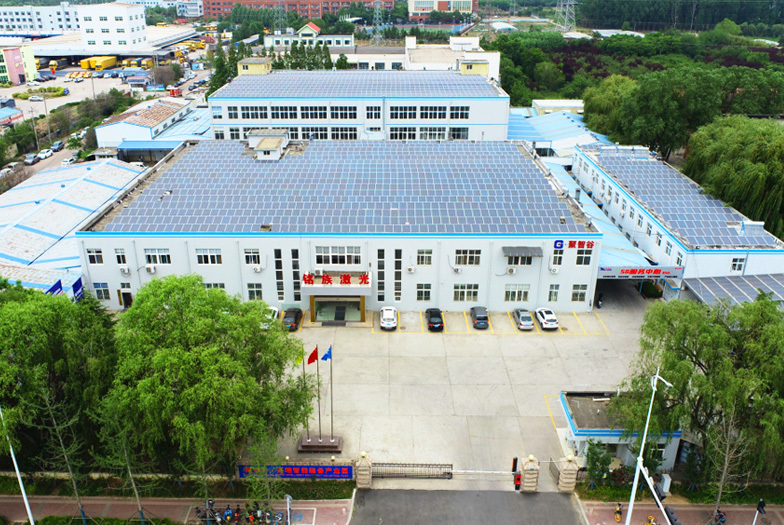
About UsEstablished in 2010, it is the first independent laser brand in Qingdao to integrate research and development, production, and sales of laser equipment.
 КонтактыТелефон службы:+86-400-9988-709
Почтовый ящик:Leo@qdmingzu.com
Почтовый ящик:Info@qdmingzu.com
Адрес:улица Янъян, 97, район Ченьян, Циндао -
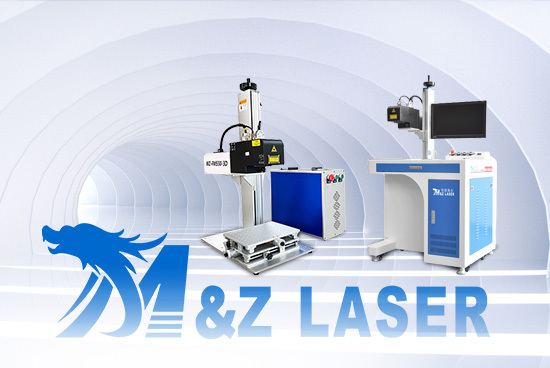
ProductsEstablished in 2010, it is the first independent laser brand in Qingdao to integrate research and development, production, and sales of laser equipment.
 КонтактыТелефон службы:+86-400-9988-709
Почтовый ящик:Leo@qdmingzu.com
Почтовый ящик:Info@qdmingzu.com
Адрес:улица Янъян, 97, район Ченьян, Циндао -
Case CenterEstablished in 2010, it is the first independent laser brand in Qingdao to integrate research and development, production, and sales of laser equipment.
 КонтактыТелефон службы:+86-400-9988-709
Почтовый ящик:Leo@qdmingzu.com
Почтовый ящик:Info@qdmingzu.com
Адрес:улица Янъян, 97, район Ченьян, Циндао -
TechnicalEstablished in 2010, it is the first independent laser brand in Qingdao to integrate research and development, production, and sales of laser equipment.
 КонтактыТелефон службы:+86-400-9988-709
Почтовый ящик:Leo@qdmingzu.com
Почтовый ящик:Info@qdmingzu.com
Адрес:улица Янъян, 97, район Ченьян, Циндао -
NewsEstablished in 2010, it is the first independent laser brand in Qingdao to integrate research and development, production, and sales of laser equipment.
 КонтактыТелефон службы:+86-400-9988-709
Почтовый ящик:Leo@qdmingzu.com
Почтовый ящик:Info@qdmingzu.com
Адрес:улица Янъян, 97, район Ченьян, Циндао

A palm-sized workspace for precision work: How a compact laser welder handles complex thin-plate welding.
Release time:
2026-03-02
What’s the biggest nightmare when working with thin metal sheets? They get pierced as soon as you start welding, warp as soon as they’re heated—even after welding, you still have to spend ages painstakingly grinding them down with an angle grinder. If you’re still stubbornly sticking to gas-shielded welding (MIG/MAG) for thin sheets less than a certain thickness, you’re not just struggling against the material—you’re also making life tough for yourself financially. Today, let’s talk about why laser welding is truly a “money-printing machine” when it comes to working with thin metal sheets.
Direct Hit on Pain Points: The Three Major “Deadly Traps” When Welding Thin Sheets with Second-Generation Welding Equipment
Once it’s welded through, no matter how skilled your craftsmanship is, it’s all for naught.
The second-level welding process uses an open arc, generating enormous and widely dispersed heat. When welding a 0.8mm-thick sheet, if the current is even slightly too high, it’ll immediately burn a large hole right through the metal; but if the current is too low, the weld won’t melt properly and simply won’t stick at all. Even experienced craftsmen can only rely on “spot welding” to keep going—though not only is this method slow, the weld beads also end up looking ugly.
The deformation is severe—correcting it is even more exhausting than welding.
The large heat input causes the thin plate to expand when heated. After welding, as it cools and contracts, the plate twists directly into a “twisted rope” shape. This inevitably leads to significant time spent later on hammering and straightening the part—and can even result in the workpiece being scrapped altogether.
Polishing hell—labor costs doubled.
The spatter from second-pass welding is notoriously bad—after welding, the surface is covered with slag. Thin-sheet components often have high aesthetic requirements (such as filing cabinets, electrical boxes, and guardrails), so they must be ground and polished. With one welder paired with one grinder, labor costs double immediately, and the dust generated during grinding is also harmful to health.
Solution: A dimension-reducing strike with a compact laser welder.
Why do people say that switching to laser welding is like choosing a whole new way of life?
Minimal heat input—weld thin sheets with ease.
The laser boasts an extremely high energy density yet a remarkably narrow heat-affected zone. Even beginners, as long as they align the weld properly and apply just a gentle press, can easily produce a flawless weld—completely saying goodbye to “holes”!
No need to polish—once welded, it’s ready to use.
This is where laser welding truly shines.
After second-pass welding, the surface looks like a “pitted face”; after laser welding, it has a “fish-scale pattern” or a “silvery-white glossy finish.” There’s no spatter, no weld slag, and the reverse side is also perfectly smooth. Once the workpiece is welded, it can be directly moved to the production line for packaging, eliminating the three tedious steps of grinding, polishing, and touch-up painting.
By eliminating one polishing operator, you can save enough money in a year to cover the cost of the machine.
Let’s do some math:
A skilled polisher earns a monthly salary of 6,000 yuan, resulting in an annual salary of 72,000 yuan.
A small handheld laser welder costs just a few tens of thousands of yuan.
By eliminating one polishing operator, the machine’s cost was recouped in less than half a year. The remaining six months represent pure profit—efficiency and a stellar reputation.
Real Case: The Transformation of an Advertising Lettering Workshop
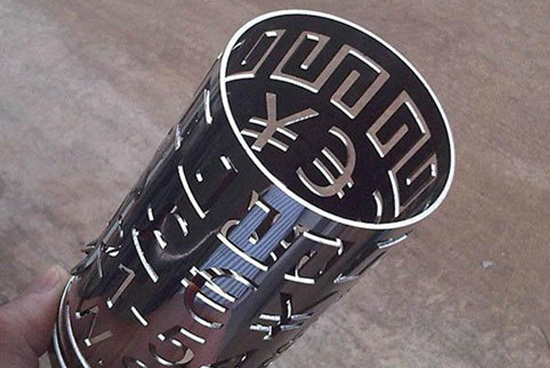
Past: The boss took two skilled workers to weld stainless steel letters—using MIG and spot welding. The welds were completely blackened, so they had to be sent for polishing. They could only make 30 pieces a day and were utterly exhausted.
Now: A compact 1,500W laser welder and one general worker—after welding, simply wipe it clean with a damp cloth, and it’ll shine brilliantly. They can produce 60 units per day, doubling their output—and no polishing is required at all.
Conclusion:
TIG welding truly is the backbone of industry, but in the field of thin plates, it’s already seen better days. If your workshop is piled high with angle grinders, if your workers are still grinding away every day while wearing masks, and if you’re still racking your brains over the deformation of thin plates—
It’s time to switch to a compact laser welder. What it saves you isn’t just the cost of labor for grinding—it’s also a head start in seizing market opportunities.

Tiktok QR code
Service Phone:+86-400-9988-709
Address: No.97 YanYang Road, ChengYang District, Qingdao City
COPYRIGHT © 2023 MINGZU LASER TECH CO.,LTD ALL RIGHTS RESERVED