

-
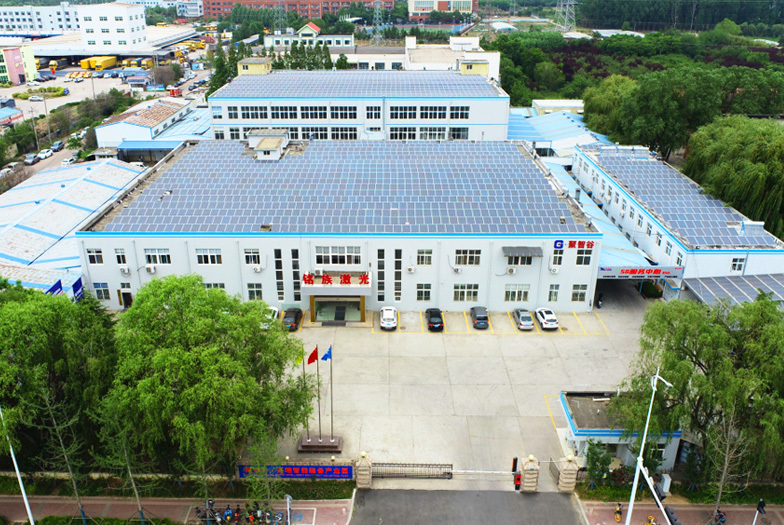
About UsEstablished in 2010, it is the first independent laser brand in Qingdao to integrate research and development, production, and sales of laser equipment.
 КонтактыТелефон службы:+86-400-9988-709
Почтовый ящик:Leo@qdmingzu.com
Почтовый ящик:Info@qdmingzu.com
Адрес:улица Янъян, 97, район Ченьян, Циндао -
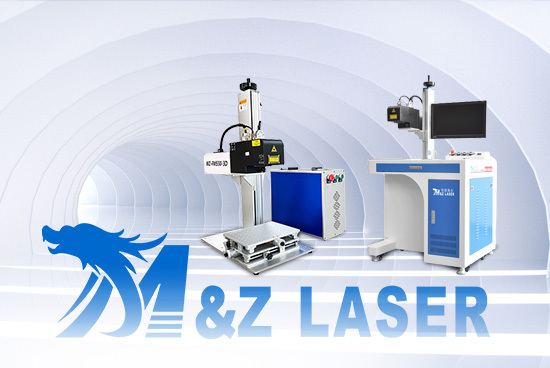
ProductsEstablished in 2010, it is the first independent laser brand in Qingdao to integrate research and development, production, and sales of laser equipment.
 КонтактыТелефон службы:+86-400-9988-709
Почтовый ящик:Leo@qdmingzu.com
Почтовый ящик:Info@qdmingzu.com
Адрес:улица Янъян, 97, район Ченьян, Циндао -
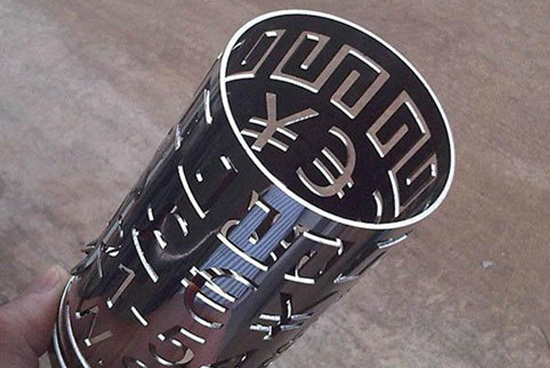
Case CenterEstablished in 2010, it is the first independent laser brand in Qingdao to integrate research and development, production, and sales of laser equipment.
 КонтактыТелефон службы:+86-400-9988-709
Почтовый ящик:Leo@qdmingzu.com
Почтовый ящик:Info@qdmingzu.com
Адрес:улица Янъян, 97, район Ченьян, Циндао -
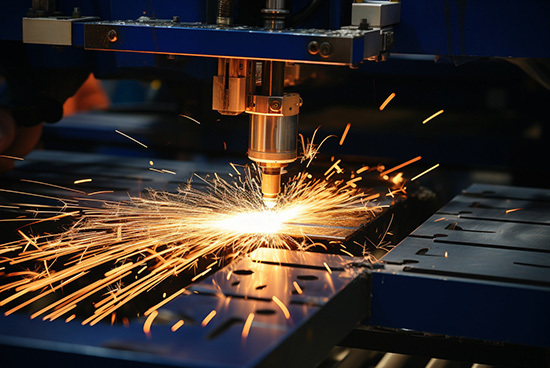
TechnicalEstablished in 2010, it is the first independent laser brand in Qingdao to integrate research and development, production, and sales of laser equipment.
 КонтактыТелефон службы:+86-400-9988-709
Почтовый ящик:Leo@qdmingzu.com
Почтовый ящик:Info@qdmingzu.com
Адрес:улица Янъян, 97, район Ченьян, Циндао -
NewsEstablished in 2010, it is the first independent laser brand in Qingdao to integrate research and development, production, and sales of laser equipment.
 КонтактыТелефон службы:+86-400-9988-709
Почтовый ящик:Leo@qdmingzu.com
Почтовый ящик:Info@qdmingzu.com
Адрес:улица Янъян, 97, район Ченьян, Циндао

Making Welding Easier: Handheld Laser Welding Technology for Multiple Applications in One Device
Release time:
2025-12-08
In the metalworking industry, efficiency, quality, and flexibility are crucial components of a company’s competitiveness. The emergence of handheld laser welding machines has not only boosted welding speed and weld seam quality but has also made welding processes easier and more versatile. “One machine for multiple applications” has become one of the core selling points of laser welding machines, freeing welding operations from the constraints of a single process.
So, just what multifunctional capabilities does a handheld laser welding machine offer? And how exactly does it make welding truly simpler? Let’s take a comprehensive look below.
1. Welding Function: Easily Handles Various Types of Metal Materials
The handheld laser welding machine uses a high-energy-density laser beam, which not only ensures fast welding speeds and fine weld seams but also is compatible with a variety of common metal materials.
Stainless steel
Carbon steel, iron materials
Aluminum alloy, aluminum sheet
Galvanized sheet
Copper, metal composites
Whether it's thick plates, thin plates, round tubes, square tubes, or irregularly shaped complex workpieces, they can all be easily welded using different welding nozzles and parameters.
The application scenarios cover nearly all metal industries, including doors and windows, kitchen appliances, sheet metal, automotive parts, and decorative engineering.
II. Cutting Function: No cutting machine required—this single device handles on-site processing.
By replacing the cutting nozzle, the handheld laser welder can be transformed into a portable laser cutting device.
Can be realized:
Rapid cutting of thin plates
Material trimming
Small-area hole opening and repair
On-site modification of profiles that do not meet the required dimensions.
For installation sites, home decoration construction, and metalworking workshops, laser cutting is clean and precise, with minimal thermal impact. It’s more accurate and safer than using an angle grinder.
3. Cleaning Function: More efficient rust removal before welding and post-weld cleaning.
After being equipped with a cleaning head, the laser welder can also be used as a laser cleaning device.
Can be completed:
Rust removal before welding
Post-weld black and gray cleaning
Surface oxide layer removal
Oil stain and coating removal
Laser cleaning is environmentally friendly, requires no consumables, and does not damage the base material itself. It can significantly enhance the aesthetic appeal and welding quality of weld seams.
4. The weld seam has excellent quality, reducing the workload for post-processing.
Traditional electric welding is prone to issues such as large spatter, dark welds, and rough weld seams, requiring extensive grinding.
The advantages of laser welding are:
Small heat-affected zone, less likely to deform.
The weld seam is fine, bright, and smooth.
Almost no splashing
It can be directly formed after welding, reducing grinding time by more than 80%.
Truly achieve “seamless integration from welding to delivery.”
5. Simple operation—easy for beginners to pick up quickly.
Traditional welding has high technical requirements, whereas laser welding is more akin to “line-drawing welding.”
With the help of an intelligent control system, the operator only needs to:
① Press and hold the welding torch.
② Move along the weld seam
③ Switch the welding nozzle or mode as needed.
Beginners can learn it in just 1–2 hours, significantly reducing companies’ reliance on highly skilled welders.
6. Energy-efficient and consumable-saving—one machine replaces multiple machines.
Laser welding machines don't require welding rods, consume little gas, have low maintenance costs, and can replace multiple types of equipment.
Welding machine
Argon arc welding machine
Small cutting machine
Grinder (most scenes)
Small laser cleaner
Truly achieve “one device replacing multiple devices,” saving on equipment investment and space requirements.
In summary: Welding has never been so easy.
The reason why handheld laser welding machines are becoming increasingly popular is that they truly address the three major challenges in metal processing:
Welding is difficult, efficiency is low, and the weld seams are unsightly.
Thanks to its innovative “one machine, multiple functions” design, it integrates welding, cutting, and cleaning into a single unit, enabling businesses to achieve higher productivity and quality at lower costs.
Whether you’re a processing plant owner, an installation technician, or a professional in the metal manufacturing industry, a handheld laser welder will be your powerful tool for enhancing competitiveness.

Tiktok QR code
Service Phone:+86-400-9988-709
Address: No.97 YanYang Road, ChengYang District, Qingdao City
COPYRIGHT © 2023 MINGZU LASER TECH CO.,LTD ALL RIGHTS RESERVED