

-
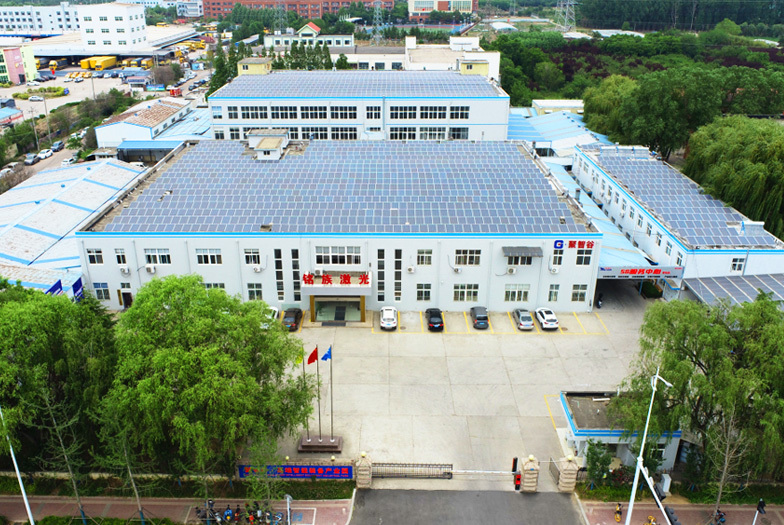
About UsEstablished in 2010, it is the first independent laser brand in Qingdao to integrate research and development, production, and sales of laser equipment.
 КонтактыТелефон службы:+86-400-9988-709
Почтовый ящик:Leo@qdmingzu.com
Почтовый ящик:Info@qdmingzu.com
Адрес:улица Янъян, 97, район Ченьян, Циндао -
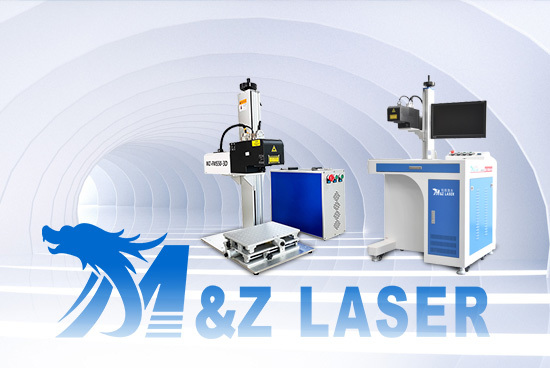
ProductsEstablished in 2010, it is the first independent laser brand in Qingdao to integrate research and development, production, and sales of laser equipment.
 КонтактыТелефон службы:+86-400-9988-709
Почтовый ящик:Leo@qdmingzu.com
Почтовый ящик:Info@qdmingzu.com
Адрес:улица Янъян, 97, район Ченьян, Циндао -
Case CenterEstablished in 2010, it is the first independent laser brand in Qingdao to integrate research and development, production, and sales of laser equipment.
 КонтактыТелефон службы:+86-400-9988-709
Почтовый ящик:Leo@qdmingzu.com
Почтовый ящик:Info@qdmingzu.com
Адрес:улица Янъян, 97, район Ченьян, Циндао -
TechnicalEstablished in 2010, it is the first independent laser brand in Qingdao to integrate research and development, production, and sales of laser equipment.
 КонтактыТелефон службы:+86-400-9988-709
Почтовый ящик:Leo@qdmingzu.com
Почтовый ящик:Info@qdmingzu.com
Адрес:улица Янъян, 97, район Ченьян, Циндао -
NewsEstablished in 2010, it is the first independent laser brand in Qingdao to integrate research and development, production, and sales of laser equipment.
 КонтактыТелефон службы:+86-400-9988-709
Почтовый ящик:Leo@qdmingzu.com
Почтовый ящик:Info@qdmingzu.com
Адрес:улица Янъян, 97, район Ченьян, Циндао

Fiber Laser Welding Machine Manufacturer | Handheld Laser Welding Equipment for Industrial Applications
Release time:
2026-09-01
A fiber laser welding machine is a device that uses a fiber laser to weld metal materials. As industries such as sheet metal fabrication, hardware manufacturing, and mechanical equipment production place increasingly stringent demands on welding processes and production efficiency, fiber laser welding technology has been progressively adopted across a wide range of metalworking applications.
Handheld laser welding equipment features a handheld torch design, allowing operators to adjust the welding direction according to the workpiece geometry and weld seam location, making it suitable for processing metal components of various sizes and configurations.
What is a fiber laser welding machine?
A fiber laser welding machine generates a laser beam using a fiber laser; after being focused by an optical system, the beam is directed onto the workpiece’s weld zone, causing localized melting of the metal and forming a weld seam, thereby joining two or more metal components.
Common fiber laser welding machines are primarily composed of the following components:
- Fiber laser
- Handheld laser welding gun
- Laser Control System
- Chiller
- Wire feeding system
- Electrical Control System
The specific configuration of each device is selected based on laser power, workpiece material, and the customer’s welding requirements.
Characteristics of Handheld Laser Welding Equipment
Flexible operation method
Handheld laser welding guns can be moved and adjusted to accommodate the workpiece’s geometry, making them well suited for welding flat surfaces, corners, internal angles, and certain complex structures.
Compared with stationary welding equipment, handheld devices offer greater operational flexibility in production environments characterized by small batch sizes, a wide variety of specifications, and frequent changes in workpiece configurations.
Suitable for a variety of metal materials.
Fiber laser welding machines can be used for welding a variety of common metal materials, such as:
- Stainless steel
- Carbon steel
- Iron
- Aluminum alloy
- Galvanized sheet
Different materials exhibit varying thermal conductivities and laser absorption characteristics; therefore, during actual welding, equipment parameters must be adjusted according to the material type and plate thickness.
Welding speed is adjustable.
Laser welding equipment can be tailored to meet the processing requirements of various products by adjusting parameters such as laser power, welding speed, oscillation amplitude, and wire feed rate.
For continuous welds and batch‑produced workpieces, the appropriate welding parameters can be set according to actual production requirements.
Reduce certain post-weld treatments.
Under appropriate material selection, thickness, and process parameters, laser welding can produce a highly localized weld zone and weld seam.
After applying an appropriate welding process, some products can reduce the need for subsequent operations such as grinding and finishing; however, the actual results must still be evaluated based on the workpiece material and the specific welding procedure.


Application Fields of Fiber Laser Welding Machines
Handheld fiber laser welding equipment can be used in a variety of industrial metalworking applications.
Sheet metal fabrication
Suitable for welding chassis, cabinets, equipment enclosures, metal frames, and other sheet-metal structural components.
Hardware manufacturing
It can be used for welding metal hardware, tools, accessories, and various types of metal products.
Stainless steel products
Suitable for welding stainless steel doors and windows, guardrails, kitchenware, metal decorative components, and other products.
Mechanical equipment
It can be used for the joining and machining of metal brackets, structural components, and certain parts in mechanical equipment.
Automotive parts
Based on material, structural, and welding process requirements, it can be used for the welding of certain automotive metal components.
How to choose a fiber laser welding machine?
When selecting a laser welding machine, you should determine the equipment configuration based on your specific processing requirements, rather than choosing solely according to laser power.
1. Select welding materials
First, it is necessary to identify the primary materials to be processed, such as stainless steel, carbon steel, aluminum alloy, and so on.
Welding parameters vary depending on the material; therefore, we recommend conducting sample tests before purchasing equipment.
2. Determine the material thickness
Plate thickness affects laser power, welding speed, and wire feed parameters.
Common handheld laser welding machines come in various power configurations; the specific choice should be determined based on the characteristics of the workpiece.
3. Determine the welded structure
Different welding structures impose varying requirements on equipment parameters and welding processes; for example:
- Butt weld
- Lap weld
- Fillet weld
- Internal corner weld
- External corner weld
Providing physical samples prior to procurement can help manufacturers more accurately configure equipment and conduct process testing.
4. Pay attention to the overall device configuration.
In addition to the laser source, it is also important to consider the configuration of the laser welding torch, chiller, control system, and wire‑feeding system.
The various components of the equipment must be properly matched to meet actual production requirements.
What services do fiber laser welding machine manufacturers offer?
For industrial customers, purchasing laser welding equipment requires not only consideration of the equipment’s price but also evaluation of equipment selection, process validation, and ongoing technical support.
Fiber laser welding machine manufacturers can conduct welding tests based on the materials, thicknesses, and product samples provided by the customer, and determine the appropriate equipment power and configuration according to the test results.
After the equipment is put into service, basic operator training and guidance on parameter adjustments will also be required.
For industrial equipment in long-term use, equipment maintenance, replacement of wear parts, and technical consulting are also critical components of daily production.
Mingzu Laser Fiber Laser Welding Equipment
Mingzu Laser primarily offers laser processing equipment, including laser welding machines, laser cleaning machines, laser marking machines, and laser cutting machines.
To meet diverse industrial metal welding requirements, Mingzu Laser offers handheld fiber laser welding equipment and, based on the customer’s… Processing materials, plate thickness, weld joint configuration, and production requirements Perform device configuration.
Before purchasing equipment, you can conduct sample tests to assess the specific welding performance, then select the appropriate laser power and system configuration based on your actual processing requirements.
Conclusion
Fiber laser welding machines, which integrate fiber laser technology with handheld operation, are suitable for welding a wide range of metallic materials and find numerous applications in industries such as sheet metal fabrication, hardware manufacturing, stainless steel products, and mechanical equipment.
Equipment inquiries: 13210113758

Tiktok QR code
Service Phone:+86-400-9988-709
Address: No.97 YanYang Road, ChengYang District, Qingdao City
COPYRIGHT © 2023 MINGZU LASER TECH CO.,LTD ALL RIGHTS RESERVED