

-
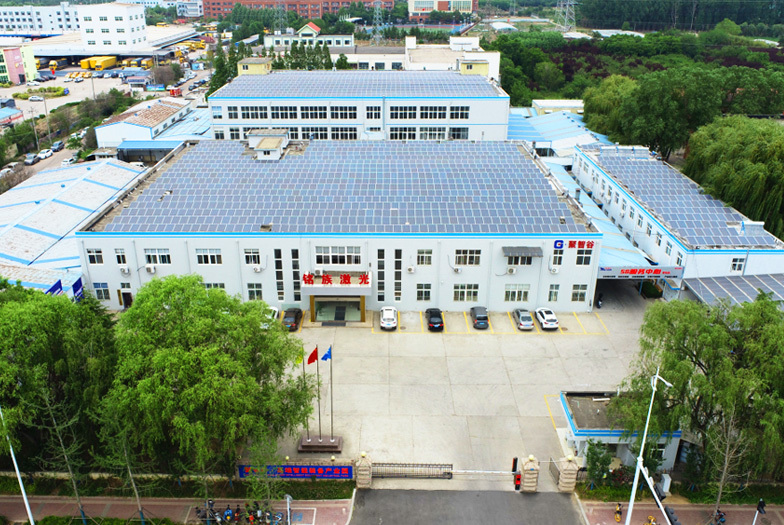
About UsEstablished in 2010, it is the first independent laser brand in Qingdao to integrate research and development, production, and sales of laser equipment.
 КонтактыТелефон службы:+86-400-9988-709
Почтовый ящик:Leo@qdmingzu.com
Почтовый ящик:Info@qdmingzu.com
Адрес:улица Янъян, 97, район Ченьян, Циндао -
ProductsEstablished in 2010, it is the first independent laser brand in Qingdao to integrate research and development, production, and sales of laser equipment.
 КонтактыТелефон службы:+86-400-9988-709
Почтовый ящик:Leo@qdmingzu.com
Почтовый ящик:Info@qdmingzu.com
Адрес:улица Янъян, 97, район Ченьян, Циндао -
Case CenterEstablished in 2010, it is the first independent laser brand in Qingdao to integrate research and development, production, and sales of laser equipment.
 КонтактыТелефон службы:+86-400-9988-709
Почтовый ящик:Leo@qdmingzu.com
Почтовый ящик:Info@qdmingzu.com
Адрес:улица Янъян, 97, район Ченьян, Циндао -
TechnicalEstablished in 2010, it is the first independent laser brand in Qingdao to integrate research and development, production, and sales of laser equipment.
 КонтактыТелефон службы:+86-400-9988-709
Почтовый ящик:Leo@qdmingzu.com
Почтовый ящик:Info@qdmingzu.com
Адрес:улица Янъян, 97, район Ченьян, Циндао -
NewsEstablished in 2010, it is the first independent laser brand in Qingdao to integrate research and development, production, and sales of laser equipment.
 КонтактыТелефон службы:+86-400-9988-709
Почтовый ящик:Leo@qdmingzu.com
Почтовый ящик:Info@qdmingzu.com
Адрес:улица Янъян, 97, район Ченьян, Циндао

Handheld Laser Welding Machine – Portable Metal Laser Welding Equipment
Release time:
2026-10-30
A handheld laser welding machine is a metal welding device that uses laser energy as its heat source. It features flexible operation, fast welding speeds, and a relatively small heat-affected zone, making it suitable for welding a wide range of materials, including stainless steel, carbon steel, aluminum alloys, and galvanized sheet metal. Compared with conventional welding methods, the handheld laser welding system employs a hand‑held welding head that allows for flexible adjustment of the welding angle to accommodate varying workpiece shapes and positions, thereby meeting the needs of components of different specifications and diverse industrial applications.
I. Equipment Features of Handheld Laser Welding Machines
Handheld laser welding machines primarily consist of a laser source, a laser welding head, a control system, a cooling system, and various auxiliary components. The equipment uses a laser beam to locally heat metal materials, creating a molten pool at the joint area and thereby achieving material bonding.
Handheld operation design The welding head features a handheld design, enabling convenient adjustment of the welding position and angle, and is suitable for workpieces of various shapes.
Welding efficiency is relatively high. : The laser energy is highly concentrated, enabling it to meet the welding requirements of a wide range of metal workpieces.
The weld seam has an aesthetically pleasing appearance. Under appropriate process parameters and operating conditions, a relatively uniform weld can be achieved, thereby reducing the need for subsequent grinding.
The heat-affected zone is small. Laser energy is concentrated in the weld zone, helping to minimize the overall thermal impact on the workpiece.
Relatively easy to operate : When paired with the corresponding control system, it can adjust parameters such as welding power and speed, facilitating process configuration to meet diverse machining requirements.
II. What materials are suitable for welding with a handheld laser welding machine?
Handheld laser welding machines can be used on a variety of common metal materials; however, differences in thermal conductivity, reflectivity, thickness, and surface condition among these materials necessitate selecting appropriate laser power and welding parameters based on the specific workpiece.
1. Stainless steel
Stainless steel is a common material processed by handheld laser welding machines and is widely used in kitchenware, metal products, equipment enclosures, guardrails, and the fabrication of stainless steel sheets.
2. Carbon steel
Carbon steel has a wide range of industrial applications and can be used for welding processes in mechanical components, sheet metal structural parts, metal frames, and engineering equipment.
3. Aluminum alloy
Aluminum alloys are characterized by their light weight and excellent thermal conductivity, making them widely used in automotive components, aluminum enclosures, and industrial structural parts. During welding, process parameters must be adjusted to account for the alloy grade, thickness, and joint configuration.
4. Galvanized sheet
Galvanized sheet is widely used in the manufacture of enclosures and cabinets, ventilation ducts, electrical equipment housings, and in the sheet metal fabrication industry. Prior to welding, care should be taken to protect against surface coatings and zinc vapor; the appropriate welding process should be selected based on the specific application.
III. Application Industries of Handheld Laser Welding Machines
Portable handheld laser welding equipment offers a degree of mobility, making it suitable for a wide range of metalworking applications.
Sheet metal fabrication industry : Used for welding metal sheets, enclosures and cabinets, and sheet-metal structural components.
Hardware products industry : Used for processing stainless steel products, metal fittings, and hardware items.
Automotive parts industry : Used for welding certain automotive metal components and related structural parts.
Mechanical manufacturing industry : Used for machining mechanical equipment housings, metal brackets, and components.
Engineering Equipment Industry : Used for welding operations on certain metal structural components and equipment parts.


IV. How to Choose the Right Handheld Laser Welding Machine?
When purchasing a handheld laser welding machine, you shouldn’t focus solely on the equipment’s power; you must also make a comprehensive assessment based on your actual production needs.
1. Select according to the welding material
Different metallic materials exhibit varying degrees of laser energy absorption, necessitating tailored equipment configurations based on specific materials such as stainless steel, carbon steel, and aluminum alloys.
2. Select the power based on the material thickness.
Common equipment power ratings include 1,000 W, 1,500 W, 2,000 W, and 3,000 W. The specific choice should be determined based on material thickness, welding speed, joint configuration, and process requirements.
3. Select the cooling method based on the operating environment.
Water-cooled handheld laser welding machines are typically suited to industrial processing environments with corresponding configurations, while air-cooled units, owing to their design characteristics, can meet the needs of certain mobile operations. When making a selection, it is essential to consider the equipment’s operating duration, ambient temperature, and actual application conditions.
4. Select the welding torch according to the welding requirements.
Different welding heads may vary in oscillation mode, beam spot configuration, and functional features; selection should be based on weld bead width, workpiece geometry, and the specific process requirements.
V. Precautions for Using Handheld Laser Welders
When operating laser welding equipment, parameter settings and routine maintenance must be performed in accordance with the equipment’s operating instructions. Prior to welding, inspect the workpiece surface condition, grounding status, and equipment connection integrity to ensure that the welding area meets appropriate safety requirements.
Laser welding is a high‑energy laser processing operation. Operators must wear laser‑protective equipment that matches the laser wavelength and protection class, and establish designated safety zones and fume‑extraction systems that meet regulatory requirements to mitigate risks associated with laser radiation, reflected light, and welding fumes.
VI. Common Issues with Handheld Laser Welding Machines
Q: Can a handheld laser welder be used to weld aluminum alloys?
A: Yes, it is possible. Handheld laser welding machines can be used to weld certain aluminum alloy materials, but the appropriate equipment power and welding parameters must be selected based on the aluminum alloy grade, thickness, surface condition, and joint configuration.
Q: Can a handheld laser welding machine weld stainless steel?
A: Yes, it is possible. Stainless steel is one of the most common materials processed by handheld laser welding machines and is suitable for welding stainless steel sheets, metal products, and certain structural components.
Q: Does a handheld laser welder require polishing?
A: Whether grinding is required depends on the welding process, the aesthetic requirements for the weld bead, and the intended application of the workpiece. With appropriate process parameters and proper operating procedures, a relatively smooth weld can be achieved; however, this does not guarantee that all workpieces will be free of post‑weld finishing.
Q: How do you choose the power rating for a handheld laser welder?
A: The selection should be made comprehensively, taking into account the material type, workpiece thickness, welding speed, and production requirements. It is recommended to determine the appropriate power settings through trial welding on actual test pieces.
VII. Mingzu Laser Handheld Laser Welding Equipment
Mingzu Laser specializes in industrial laser equipment, offering solutions for laser welding, laser marking, laser cleaning, and laser cutting. Its handheld laser welding systems can be customized to meet diverse metal‑processing requirements by selecting the appropriate laser power, cooling method, and welding‑head configuration.
For welding requirements involving different materials such as stainless steel, carbon steel, aluminum alloy, and galvanized sheet, it is recommended to provide in advance the workpiece material, thickness, weld joint configuration, and processing specifications, so that an appropriate equipment setup and welding process can be determined.
For information on the equipment configuration, application scope, and model selection of handheld laser welding machines, please contact Mingzu Laser for consultation.
Official website phone number: 13210113758

Tiktok QR code
Service Phone:+86-400-9988-709
Address: No.97 YanYang Road, ChengYang District, Qingdao City
COPYRIGHT © 2023 MINGZU LASER TECH CO.,LTD ALL RIGHTS RESERVED