

-
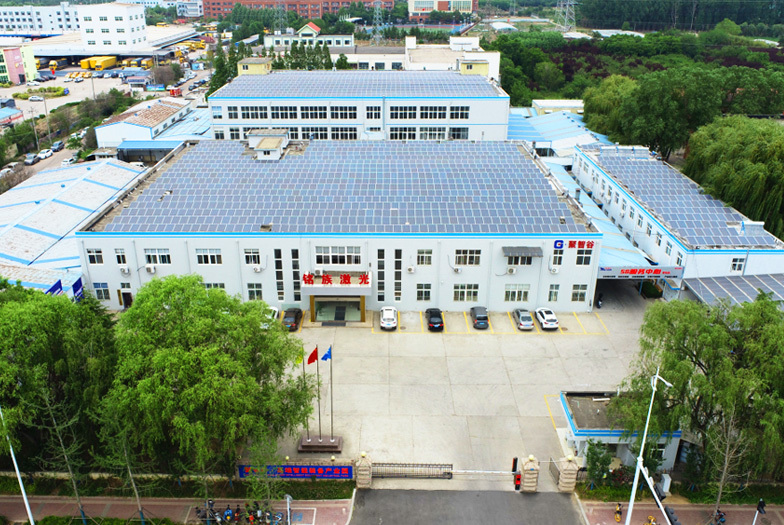
About UsEstablished in 2010, it is the first independent laser brand in Qingdao to integrate research and development, production, and sales of laser equipment.
 КонтактыТелефон службы:+86-400-9988-709
Почтовый ящик:Leo@qdmingzu.com
Почтовый ящик:Info@qdmingzu.com
Адрес:улица Янъян, 97, район Ченьян, Циндао -
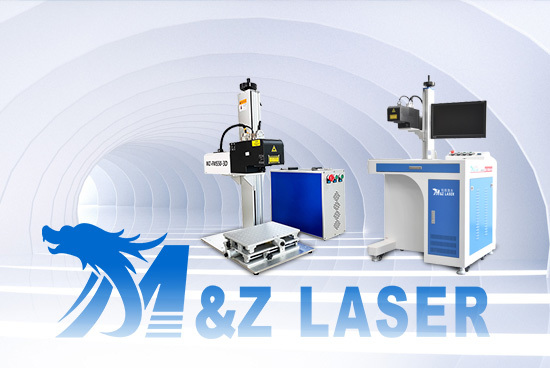
ProductsEstablished in 2010, it is the first independent laser brand in Qingdao to integrate research and development, production, and sales of laser equipment.
 КонтактыТелефон службы:+86-400-9988-709
Почтовый ящик:Leo@qdmingzu.com
Почтовый ящик:Info@qdmingzu.com
Адрес:улица Янъян, 97, район Ченьян, Циндао -
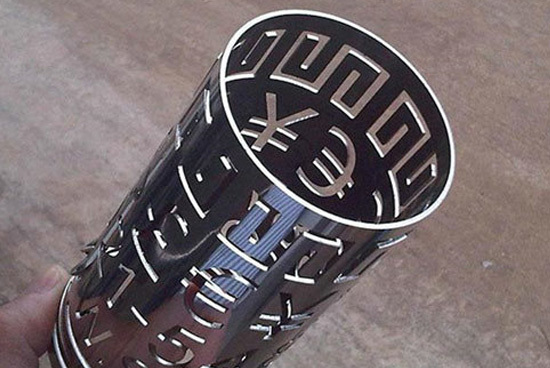
Case CenterEstablished in 2010, it is the first independent laser brand in Qingdao to integrate research and development, production, and sales of laser equipment.
 КонтактыТелефон службы:+86-400-9988-709
Почтовый ящик:Leo@qdmingzu.com
Почтовый ящик:Info@qdmingzu.com
Адрес:улица Янъян, 97, район Ченьян, Циндао -
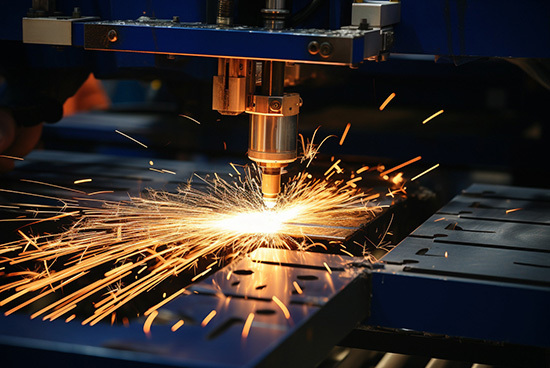
TechnicalEstablished in 2010, it is the first independent laser brand in Qingdao to integrate research and development, production, and sales of laser equipment.
 КонтактыТелефон службы:+86-400-9988-709
Почтовый ящик:Leo@qdmingzu.com
Почтовый ящик:Info@qdmingzu.com
Адрес:улица Янъян, 97, район Ченьян, Циндао -
NewsEstablished in 2010, it is the first independent laser brand in Qingdao to integrate research and development, production, and sales of laser equipment.
 КонтактыТелефон службы:+86-400-9988-709
Почтовый ящик:Leo@qdmingzu.com
Почтовый ящик:Info@qdmingzu.com
Адрес:улица Янъян, 97, район Ченьян, Циндао

Handheld Laser Welding Machine Manufacturer | Customized Fiber Laser Welding Solutions
Release time:
2026-09-01
As the metalworking industry increasingly demands higher welding efficiency, superior weld quality, and greater equipment flexibility, traditional welding methods are gradually encountering challenges in certain applications—particularly in terms of productivity, operational complexity, and post‑weld processing. Handheld laser welding machines, as a new generation of metal‑joining equipment, are being employed for welding stainless steel, carbon steel, aluminum alloys, and other metallic materials, thanks to their flexible operation, high welding speed, and ability to handle a wide range of materials.
Mingzu Laser offers handheld fiber laser welding equipment and, based on diverse processing requirements, provides customers with tailored solutions suitable for a wide range of metal‑welding applications.
What is a handheld laser welding machine?
A handheld laser welding machine is a device that uses fiber‑laser technology to join metals. By focusing the laser beam onto the weld zone of the workpiece, the material is rapidly melted locally, forming a stable weld seam.
Compared with conventional welding methods, handheld laser welding equipment features a hand‑held torch design, offering greater operational flexibility and making it well suited for welding complex structures, irregularly shaped workpieces, and a wide range of metallic materials.
Features of Handheld Laser Welding Machines
1. Flexible handheld operation mode
The handheld laser welding torch is designed to allow operators to adjust the welding angle according to the workpiece, making it suitable for machining metal components of various sizes and shapes.
Common applications include:
- Metal sheet splicing
- Equipment enclosure welding
- Stainless steel product processing
- Sheet metal structural component welding
2. Suitable for a variety of metal materials
Fiber laser welding technology can be applied to a wide range of metallic materials, including:
- Stainless steel
- Carbon steel
- Iron plate
- Aluminum alloy
- Galvanized sheet, etc.
Depending on the material thickness, welding requirements, and manufacturing process, laser welding equipment with different power ratings can be selected.
3. The welding process is stable, reducing the need for subsequent processing.
Laser welding, which utilizes a high-energy-density laser beam, can produce relatively smooth weld seams.
In certain applications, compared with conventional welding methods, it can reduce post-weld grinding and finishing operations, thereby improving production efficiency.
4. The device features a compact design, making it suitable for a wide range of applications.
Handheld laser welding equipment typically comprises a laser source, a laser welding torch, a control system, and a cooling system. Its compact design makes it well-suited for diverse applications, including factory production lines, sheet-metal fabrication workshops, and on-site maintenance.


Application Fields of Handheld Laser Welding Machines
Handheld laser welding machines are widely used in:
Stainless Steel Products Industry
It is used for welding stainless steel doors and windows, guardrails, kitchenware, decorative components, and other products.
Sheet metal fabrication industry
Suitable for processing chassis, cabinets, equipment enclosures, and metal structural components.
Automotive parts industry
It can be used for the joining and machining of certain automotive metal components.
Hardware manufacturing industry
Suitable for welding hardware tools, metal fittings, and small structural components.
Industrial equipment manufacturing
Used for machining mechanical equipment components and metal frames.
How to choose a handheld laser welding machine?
When selecting equipment, the following factors should be taken into account:
1. Welding materials and thickness
Different metal materials and thicknesses require different laser power levels; common configurations include 1,000 W, 1,500 W, and 2,000 W, among others.
2. Processing Requirements
Select appropriate equipment based on the product structure, weld‑seam requirements, and production takt time.
3. Laser System Configuration
The core configuration of the device typically includes:
- Laser
- Laser welding torch
- Chiller
- Control system
Different configurations can affect device performance and user experience.
Equipment inquiries: 13210113758 (same number on WeChat)
Mingzu Laser Handheld Laser Welding Machine
Mingzu Laser specializes in the R&D and application of intelligent laser manufacturing equipment, offering customers handheld laser welders, laser cleaning machines, laser marking machines, laser cutting machines, and more.
To meet diverse metal-processing needs, we offer equipment configuration recommendations, welding trials, and technical support, helping customers select laser‑processing solutions that align with their specific production processes.

Tiktok QR code
Service Phone:+86-400-9988-709
Address: No.97 YanYang Road, ChengYang District, Qingdao City
COPYRIGHT © 2023 MINGZU LASER TECH CO.,LTD ALL RIGHTS RESERVED