

-
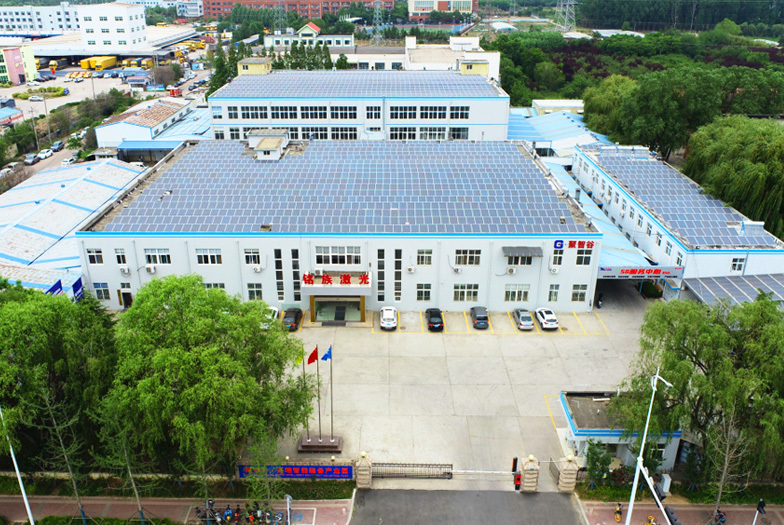
About UsEstablished in 2010, it is the first independent laser brand in Qingdao to integrate research and development, production, and sales of laser equipment.
 КонтактыТелефон службы:+86-400-9988-709
Почтовый ящик:Leo@qdmingzu.com
Почтовый ящик:Info@qdmingzu.com
Адрес:улица Янъян, 97, район Ченьян, Циндао -
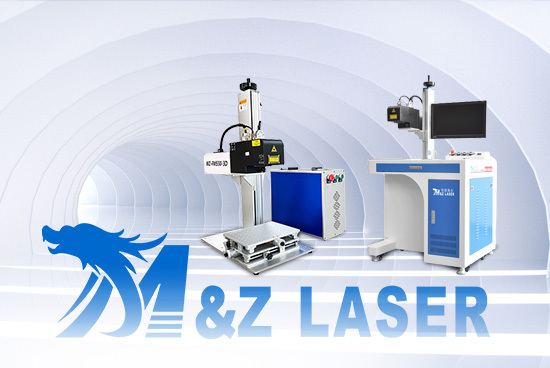
ProductsEstablished in 2010, it is the first independent laser brand in Qingdao to integrate research and development, production, and sales of laser equipment.
 КонтактыТелефон службы:+86-400-9988-709
Почтовый ящик:Leo@qdmingzu.com
Почтовый ящик:Info@qdmingzu.com
Адрес:улица Янъян, 97, район Ченьян, Циндао -
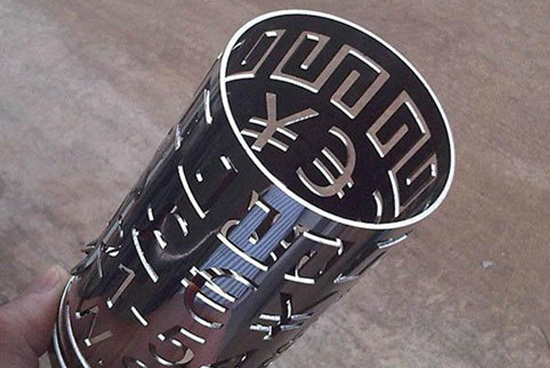
Case CenterEstablished in 2010, it is the first independent laser brand in Qingdao to integrate research and development, production, and sales of laser equipment.
 КонтактыТелефон службы:+86-400-9988-709
Почтовый ящик:Leo@qdmingzu.com
Почтовый ящик:Info@qdmingzu.com
Адрес:улица Янъян, 97, район Ченьян, Циндао -
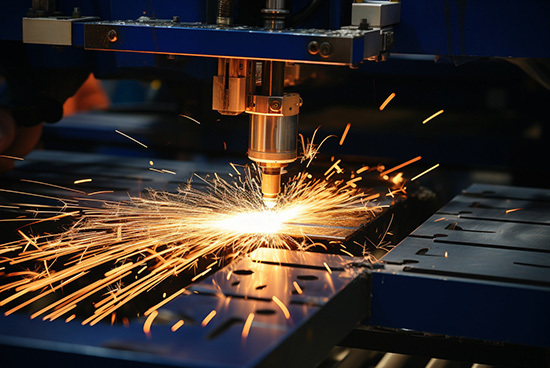
TechnicalEstablished in 2010, it is the first independent laser brand in Qingdao to integrate research and development, production, and sales of laser equipment.
 КонтактыТелефон службы:+86-400-9988-709
Почтовый ящик:Leo@qdmingzu.com
Почтовый ящик:Info@qdmingzu.com
Адрес:улица Янъян, 97, район Ченьян, Циндао -
NewsEstablished in 2010, it is the first independent laser brand in Qingdao to integrate research and development, production, and sales of laser equipment.
 КонтактыТелефон службы:+86-400-9988-709
Почтовый ящик:Leo@qdmingzu.com
Почтовый ящик:Info@qdmingzu.com
Адрес:улица Янъян, 97, район Ченьян, Циндао

Handheld Laser Welding Machine Factory | Handheld Laser Welding Machine Manufacturer
Release time:
2026-08-21
A handheld laser welding machine is a laser welding device used for joining metal materials. It typically employs a fiber laser as its light source and uses a handheld welding gun to perform welds on workpieces. The equipment allows for parameter adjustments based on material type, plate thickness, and specific weld‑seam requirements. Commonly welded materials include stainless steel, carbon steel, aluminum, copper, and certain alloy grades.
For companies that need to procure laser welding equipment, selecting the right one… handheld laser welding machine factory In addition to considering the equipment price, it’s also important to evaluate laser power, core component specifications, welding materials, equipment design, and actual processing requirements.
What is a handheld laser welding machine?
A handheld laser welding machine uses a laser beam to generate concentrated heat, causing the weld zone of the workpiece to melt locally and form a weld seam.
Compared with stationary welding equipment, handheld systems are better suited for large workpieces, irregularly shaped components, and applications requiring frequent changes in welding position. In practical use, operators can move the welding torch to align with the weld seam and complete the welding process.
Currently, handheld laser welding equipment on the market typically employs fiber laser technology; different models offer varying laser powers and configurations to meet diverse metal‑welding requirements.
What production capabilities should a handheld laser welding machine factory possess?
For purchasing enterprises, understanding handheld laser welding machine factory The production process and equipment configuration facilitate equipment selection.
A complete production process for a handheld laser welding machine typically involves:
- Structural Design of Laser Welding Equipment
- Laser configuration
- Welding Torch and Optical System Configuration
- Control System Installation
- Cooling System Configuration
- Automatic wire feeding system configuration
- Electrical System Assembly
- System-wide commissioning
- Welding test
- Factory Inspection
Lasers, welding guns, control systems, and cooling methods may vary among manufacturers; therefore, when making a purchase, it is advisable to compare specific configurations based on actual production needs, rather than relying solely on the equipment’s appearance or single performance parameters.
Main configuration of the handheld laser welding machine
Laser
The laser is a critical component of handheld laser welding machines, and the device’s power output is typically determined based on the material type, material thickness, and welding requirements.
For example, stainless steel, carbon steel, and aluminum of different thicknesses have varying requirements for laser power and welding parameters.
Handheld welding gun
A handheld welding torch is used to deliver laser energy to the weld zone.
The weight of the welding gun, its operating mode, scanning pattern, and protective design all influence the device’s overall user experience; therefore, when selecting equipment, it is advisable to take into account both the typical duration of work and the specific weldments being processed.
Control system
The control system is used to set parameters such as laser power, welding mode, and scanning parameters.
Control interfaces and parameter ranges vary across different devices; when making a purchase, you can select based on your operational preferences and production requirements.
Cooling system
During operation, laser welding equipment generates heat, so it typically requires a corresponding cooling system.
Some equipment uses water cooling, while certain compact models can be equipped with air‑cooling. The specific choice should be determined based on laser power, operating duration, and the device’s structural design.
Automatic wire feeding device
Some workpieces can be welded without wire feed, while those with a certain gap or specific weld‑seam requirements can be equipped with an automatic wire‑feeding system.
Whether wire feeding is required should be determined through testing on actual workpieces.
What materials can a handheld laser welding machine weld?
Handheld laser welding machines are commonly used for welding a variety of metal materials, including:
- Stainless steel
- Carbon steel
- Aluminum
- Copper
- Galvanized sheet
- Iron
- Certain metal alloys
Laser absorptivity, thermal conductivity, and melting characteristics vary among different materials; therefore, welding parameters must be adjusted accordingly.
If a company is planning to purchase equipment, it can prepare actual workpieces in advance for testing, enabling it to assess the compatibility between the equipment and the materials.


Applications of Handheld Laser Welding Machines
Handheld laser welding equipment can be used in a variety of metalworking applications, such as:
Sheet metal fabrication
It is used for welding operations on metal sheets, enclosures, cabinets, and similar products.
Metal furniture
It can be used for welding stainless steel furniture, metal frames, and certain structural components.
Doors, windows, and guardrails
Suitable for welding operations on stainless steel doors and windows, metal guardrails, and related structural components.
Kitchen equipment
It can be used on stainless steel sinks, worktops, kitchen equipment, and other metal products.
Mechanical manufacturing
It can be used for welding mechanical components, metal structural parts, and certain equipment assemblies.
Automobiles and Auto Parts
Certain automotive metal components can be manufactured using laser welding, depending on material and weld‑joint requirements.
In practical applications, appropriate equipment parameters must be determined based on the workpiece material, dimensions, thickness, and weld configuration.
How to choose a manufacturer of handheld laser welding machines?
When choosing a **handheld laser welding machine manufacturer**, you can focus on the following aspects:
1. Product Configuration
Understand the key components, including the laser source, welding torch, control system, and cooling system.
2. Laser Power
Select the appropriate power level based on the material and thickness; it is not advisable to determine whether a device is suitable solely by its power rating.
3. Sample Testing
If conditions permit, you can conduct welding tests using your own workpiece to observe weld bead appearance, welding speed, and material deformation.
4. Equipment Maintenance
Understand the maintenance requirements for lasers, protective lenses, cooling systems, and other wear-prone components.
5. Technical Support
After purchasing equipment, parameter configuration, operation, and routine maintenance are equally important; therefore, it is advisable to familiarize yourself in advance with the manufacturer’s technical documentation and after-sales support options.
Why is it important to choose the right handheld laser welding machine manufacturer?
Different enterprises have varying production requirements, which in turn dictate distinct specifications for laser welding equipment.
For example, small-scale metal fabrication may place greater emphasis on equipment operability and portability; continuous production, by contrast, may prioritize equipment uptime, cooling methods, and production cycle times; and when processing materials such as aluminum or copper, it is essential to rigorously evaluate the compatibility between the material and laser parameters.
Therefore, when choosing handheld laser welding machine factory At that time, it is recommended to take actual production requirements, material type, workpiece thickness, and welding method as the primary considerations.
Mingzu Laser Handheld Laser Welding Machine
Mingzu Laser offers equipment for laser welding, laser cleaning, laser marking, and laser cutting, and can tailor system configurations to meet diverse processing requirements.
For handheld laser welding machines, equipment selection can be tailored to the material type, material thickness, workpiece geometry, and welding requirements provided by the customer.
Before finalizing the equipment model, you can conduct tests using actual workpieces and, based on the results, adjust parameters such as laser power, welding speed, scanning strategy, and wire feed rate.
Frequently Asked Questions
Which industries are suitable for handheld laser welding machines?
It can be used in a wide range of metalworking applications, including sheet metal fabrication, mechanical manufacturing, metal products, kitchen equipment, doors and windows, and metal furniture.
Can a handheld laser welding machine weld aluminum?
It can be used for welding aluminum and aluminum alloy materials, but the specific equipment power and process parameters must be tested and adjusted based on material thickness and workpiece geometry.
Does a handheld laser welding machine require welding wire?
Not necessarily. Some workpieces can be welded without wire feed; however, if the joint gap is large or the weld requires filler metal, an automatic wire‑feeding system may be considered.
How do you determine the power rating of a device?
It is recommended to base on Materials, thickness, welding speed, weld type, and production requirements Comprehensive determination. Conducting tests with actual workpieces is a reliable method for establishing equipment configuration.
Summary
Handheld laser welding machines are suitable for welding a wide range of metal materials and offer significant value in applications such as sheet metal fabrication, mechanical manufacturing, and the production of metal products.

Tiktok QR code
Service Phone:+86-400-9988-709
Address: No.97 YanYang Road, ChengYang District, Qingdao City
COPYRIGHT © 2023 MINGZU LASER TECH CO.,LTD ALL RIGHTS RESERVED