

-
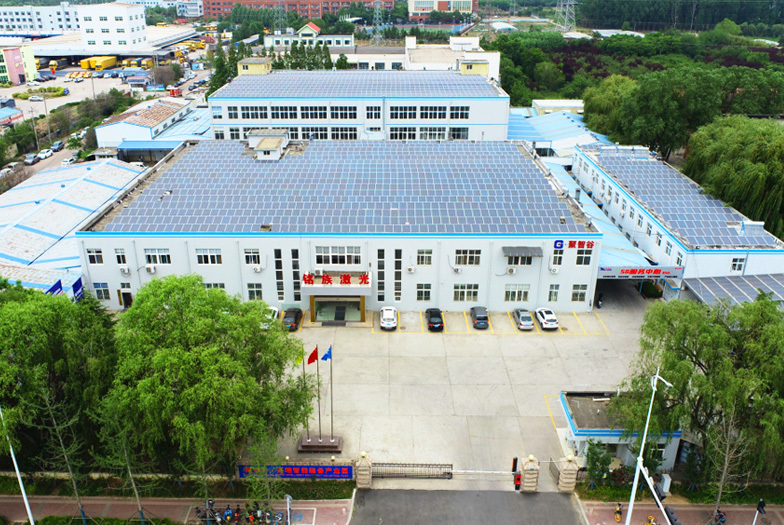
About UsEstablished in 2010, it is the first independent laser brand in Qingdao to integrate research and development, production, and sales of laser equipment.
 КонтактыТелефон службы:+86-400-9988-709
Почтовый ящик:Leo@qdmingzu.com
Почтовый ящик:Info@qdmingzu.com
Адрес:улица Янъян, 97, район Ченьян, Циндао -
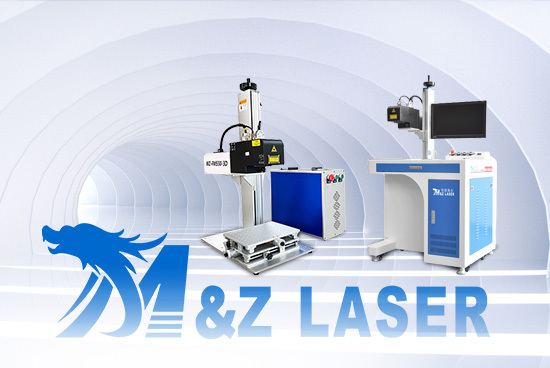
ProductsEstablished in 2010, it is the first independent laser brand in Qingdao to integrate research and development, production, and sales of laser equipment.
 КонтактыТелефон службы:+86-400-9988-709
Почтовый ящик:Leo@qdmingzu.com
Почтовый ящик:Info@qdmingzu.com
Адрес:улица Янъян, 97, район Ченьян, Циндао -
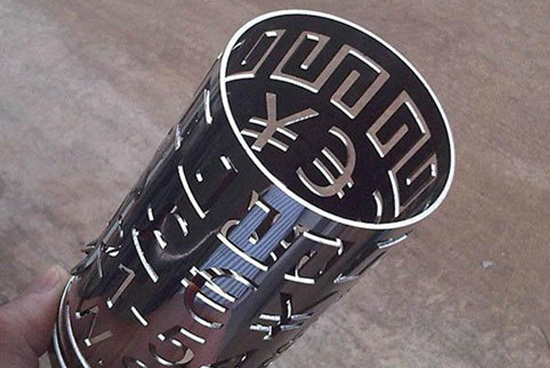
Case CenterEstablished in 2010, it is the first independent laser brand in Qingdao to integrate research and development, production, and sales of laser equipment.
 КонтактыТелефон службы:+86-400-9988-709
Почтовый ящик:Leo@qdmingzu.com
Почтовый ящик:Info@qdmingzu.com
Адрес:улица Янъян, 97, район Ченьян, Циндао -
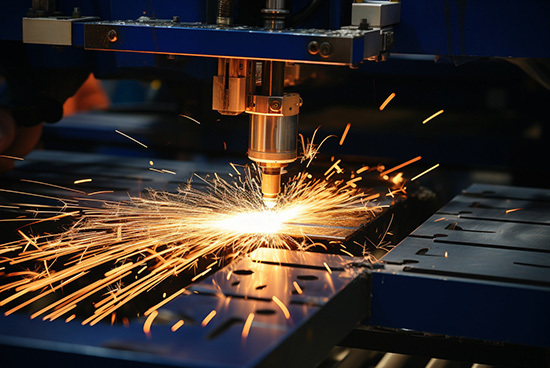
TechnicalEstablished in 2010, it is the first independent laser brand in Qingdao to integrate research and development, production, and sales of laser equipment.
 КонтактыТелефон службы:+86-400-9988-709
Почтовый ящик:Leo@qdmingzu.com
Почтовый ящик:Info@qdmingzu.com
Адрес:улица Янъян, 97, район Ченьян, Циндао -
NewsEstablished in 2010, it is the first independent laser brand in Qingdao to integrate research and development, production, and sales of laser equipment.
 КонтактыТелефон службы:+86-400-9988-709
Почтовый ящик:Leo@qdmingzu.com
Почтовый ящик:Info@qdmingzu.com
Адрес:улица Янъян, 97, район Ченьян, Циндао

Handheld Laser Welding Machine Manufacturer | Laser Welding Equipment
Release time:
2026-08-21
Handheld laser welding machines are metal welding devices that use lasers as the heat source, suitable for welding a wide range of materials, including stainless steel, carbon steel, aluminum, and copper. Compared with conventional welding methods, laser welding offers concentrated heat input, adjustable welding speeds, and flexible weld‑shape control, making it widely used in metalworking, sheet‑metal fabrication, mechanical manufacturing, window and door production, and other industrial applications.
For companies seeking to procure handheld laser welding machines, factors such as the device’s laser power, weldable materials, plate thickness, cooling method, welding process, and equipment configuration all warrant careful consideration during the selection process.
What is a handheld laser welding machine?
A handheld laser welding machine focuses energy from a laser beam onto the workpiece surface, causing localized rapid melting and forming a weld joint.
The equipment typically comprises a laser source, a handheld welding torch, a control system, a cooling system, a wire‑feeding mechanism, and other associated components. Various configurations can be selected to suit the material type, workpiece geometry, and specific welding requirements.
The handheld design makes it easier to move the equipment between different workpieces, making it well-suited for large‑size parts, irregularly shaped components, and machining scenarios that require adjustments to the welding position.

What materials can a handheld laser welding machine weld?
Handheld laser welding machines can be used for joining a variety of metallic materials; common materials include:
- Stainless steel
- Carbon steel
- Galvanized sheet
- Aluminum
- Copper
- Iron
- Certain alloy materials
Different materials have varying requirements for parameters such as laser power, welding speed, focal position, shielding gas, and wire‑feeding method. Therefore, prior to full‑scale production, welding tests should be conducted using actual workpieces, and the equipment settings should be adjusted based on the test results.
Main Components of a Handheld Laser Welding Machine
A complete handheld laser welding system typically comprises the following components:
1. Laser device
The laser generates the laser energy required for welding. Common configurations include fiber lasers of varying power levels.
In practice, the selection should be based on a comprehensive assessment of the material, its thickness, and the welding process, rather than solely on laser power.
2. Handheld laser welding gun
The welding torch is used to deliver laser energy to the workpiece surface. The operator can move the torch according to the weld seam’s position, enabling welding operations in various orientations and locations.
3. Control System
The control system is used to set and adjust welding-related parameters, such as laser power, scanning mode, and welding speed.
4. Cooling System
Lasers and certain core components generate heat during operation; therefore, equipment is typically equipped with cooling systems to meet the temperature-control requirements necessary for normal operation.
5. Automatic Wire Feeding System
For certain welding processes, an automatic wire feeder can be configured. Whether or not to use a wire feeder should be determined based on the joint gap, material type, and welding requirements.
How to choose a handheld laser welding machine?
When purchasing a handheld laser welding machine, you can consider the following aspects.
Material Type
First, identify the material to be processed. For example, laser welding parameters differ among stainless steel, carbon steel, and aluminum.
Material thickness
Material thickness affects the required laser power and welding parameters. It is recommended to select the appropriate settings based on the actual material thickness.
Workpiece structure
For large workpieces, complex structural components, and various welding positions, consideration should be given to the equipment’s mobility, the design of the welding torch, and the available operating space.
Welding method
Depending on the product’s structure and weld‑seam requirements, you can select different welding processes and auxiliary configurations, such as whether to use a filler wire, which shielding gas to employ, and various scanning modes.
Device Configuration
In addition to laser power, it is also necessary to consider the configuration of the laser source, welding torch, control system, cooling system, and wire‑feeding system.
Application Scenarios of Handheld Laser Welding Machines
Handheld laser welding equipment can be used in a variety of metalworking applications, such as:
- Sheet metal fabrication
- Metal furniture manufacturing
- Stainless steel product processing
- Door and window manufacturing
- Kitchen equipment fabrication
- Machining of mechanical components
- Metal enclosure welding
- Metal structural component machining
- Automotive parts machining
The specific application performance depends on the material type, equipment parameters, operating conditions, and welding process.
How can handheld laser welding machine manufacturers provide equipment selection advice?
As a manufacturer of handheld laser welding machines, during the equipment selection process, it is essential to match the machine configuration to the customer’s specific processing requirements.
For example, the customer may provide:
- Workpiece material
- Material thickness
- Workpiece dimensions
- Weld Type
- Is filler metal required?
- Estimated processing time per day
- Existing production process
Based on this information, it is possible to further determine the appropriate laser power, welding method, and associated equipment configuration.
For users who have not yet finalized the equipment parameters, they can first provide actual workpieces for testing. By analyzing the test results, they can assess the welding performance under different parameter settings and then proceed with equipment selection.
Why is it important to choose the right laser welding equipment?
Different production tasks impose varying requirements on equipment. For sheet metal, small components, and conventional metalworking, equipment configuration and parameter selection may differ; whereas for thicker materials, large structural parts, or continuous production, a comprehensive assessment must take into account both the production cycle time and the specific characteristics of the workpieces.
Therefore, when purchasing a laser welding machine, it is advisable to prioritize the actual material, thickness, welding position, and production requirements as key considerations, rather than basing your decision solely on the equipment’s appearance or a single parameter.
Common Issues with Handheld Laser Welders
Can a handheld laser welding machine weld stainless steel?
Yes, it is possible. Handheld laser welding machines can be used to weld stainless steel; the specific process parameters should be adjusted according to the stainless steel grade and plate thickness.
Can a handheld laser welding machine weld aluminum?
Yes, that’s possible. Aluminum materials have specific requirements for laser welding parameters and operating procedures, so the process settings must be adjusted based on the actual workpiece.
Is a welding wire required?
Not necessarily. Some workpieces can be welded without filler wire, while others with large gaps or specific weld‑seam requirements may require the use of filler wire.
How do you determine the laser power?
Laser power must be determined in conjunction with the material type, material thickness, welding speed, and weld‑seam requirements. Conducting sample tests prior to procurement is generally more informative.
Conclusion
Handheld laser welding machines are suitable for welding a wide range of metallic materials and offer significant value in fields such as sheet metal fabrication, mechanical manufacturing, and metal product production. When selecting equipment, it is essential to match the machine configuration to the specific material, thickness, weld joint geometry, and production requirements.

Tiktok QR code
Service Phone:+86-400-9988-709
Address: No.97 YanYang Road, ChengYang District, Qingdao City
COPYRIGHT © 2023 MINGZU LASER TECH CO.,LTD ALL RIGHTS RESERVED