
-
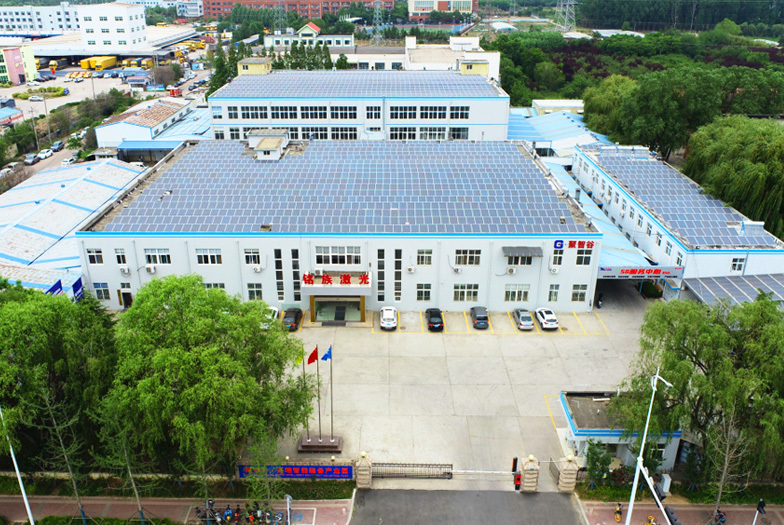
About UsEstablished in 2010, it is the first independent laser brand in Qingdao to integrate research and development, production, and sales of laser equipment.
 КонтактыТелефон службы:+86-400-9988-709
Почтовый ящик:Leo@qdmingzu.com
Почтовый ящик:Info@qdmingzu.com
Адрес:улица Янъян, 97, район Ченьян, Циндао -
ProductsEstablished in 2010, it is the first independent laser brand in Qingdao to integrate research and development, production, and sales of laser equipment.
 КонтактыТелефон службы:+86-400-9988-709
Почтовый ящик:Leo@qdmingzu.com
Почтовый ящик:Info@qdmingzu.com
Адрес:улица Янъян, 97, район Ченьян, Циндао -
Case CenterEstablished in 2010, it is the first independent laser brand in Qingdao to integrate research and development, production, and sales of laser equipment.
 КонтактыТелефон службы:+86-400-9988-709
Почтовый ящик:Leo@qdmingzu.com
Почтовый ящик:Info@qdmingzu.com
Адрес:улица Янъян, 97, район Ченьян, Циндао -
TechnicalEstablished in 2010, it is the first independent laser brand in Qingdao to integrate research and development, production, and sales of laser equipment.
 КонтактыТелефон службы:+86-400-9988-709
Почтовый ящик:Leo@qdmingzu.com
Почтовый ящик:Info@qdmingzu.com
Адрес:улица Янъян, 97, район Ченьян, Циндао -
NewsEstablished in 2010, it is the first independent laser brand in Qingdao to integrate research and development, production, and sales of laser equipment.
 КонтактыТелефон службы:+86-400-9988-709
Почтовый ящик:Leo@qdmingzu.com
Почтовый ящик:Info@qdmingzu.com
Адрес:улица Янъян, 97, район Ченьян, Циндао

Applications of Backpack‑Style Laser Pulse Cleaning Machines in Metal Surface Treatment
Release time:
2026-08-11
I. Overview of Metal Surface Treatment and Laser Cleaning Technology
Metal surface treatment is a critical step in industrial manufacturing, primarily used to remove rust, oxide scales, oil contaminants, coatings, and other adherents from material surfaces, thereby enhancing surface quality and providing an optimal substrate for subsequent processes such as machining, welding, coating, and assembly.
Traditional metal surface‑treatment methods primarily include mechanical grinding, chemical cleaning, and sandblasting. While these techniques are effective in practice, they can also lead to material damage, high consumable costs, and complex processing procedures.
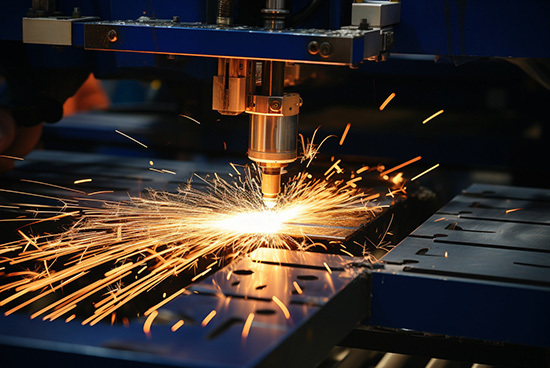
Laser cleaning technology is a novel cleaning method that employs high‑energy‑density laser pulses to treat material surfaces. Backpack‑type laser pulse cleaners deliver laser beams instantaneously to the contaminant layer, causing surface deposits to absorb energy and subsequently undergo ablation, vaporization, or decomposition, thereby achieving non‑contact surface cleaning.
II. Working Principle of the Backpack‑Style Laser Pulse Cleaning Machine
The backpack‑type laser pulse cleaning machine primarily generates high‑energy pulsed lasers via its laser generation system and precisely directs these lasers onto metal surfaces.
Its basic process includes:
- A laser beam irradiates the metal surface;
- Surface contaminants absorb laser energy;
- The contaminated layer rapidly heats up and undergoes expansion, delamination, or vaporization;
- The substrate surface remains relatively stable, enabling clean treatment.
Because laser pulses have a short duration, targeted treatment of various contaminant layers can be achieved by adjusting parameters such as laser power, pulse repetition rate, and scanning speed.
III. Structural Features of Backpack‑Style Laser Pulse Cleaning Machines
The backpack‑style laser pulse cleaning machine features a portable design and consists primarily of the following components:
1. Laser System
The laser system generates the pulsed laser required for cleaning and constitutes the core component of the equipment.
The main influencing factors include:
- Laser wavelength;
- Pulse energy;
- Output frequency;
- Beam quality.
Different parameter combinations can affect the removal efficiency of various pollutants.
2. Handheld cleaning head
The cleaning head is used to control the laser’s irradiation area, and the operator can adjust the cleaning position according to the workpiece’s geometry.
Applicable to:
- Planar structure;
- Curved surface part;
- Complex metal components.
3. Portable Body Structure
The backpack-style design facilitates equipment mobility and is suitable for surface treatment of large-scale equipment, on-site maintenance, and applications in space-constrained environments.


IV. Applications of Backpack‑Style Laser Pulse Cleaning Machines in Metal Surface Treatment
1. Metal Rust Removal Treatment
When metals are exposed to environments containing air and moisture over long periods, they are prone to oxidative corrosion.
Backpack‑style laser pulse cleaning machines can be used for:
- Steel structure derusting;
- Rust removal from mechanical parts;
- Industrial equipment maintenance;
- Surface treatment of metal components.
When a laser is applied to the rust layer, surface oxides can be removed by adjusting process parameters, thereby improving the condition of the metal surface.
2. Oxide Layer Removal
Some metallic materials form an oxide layer during machining or over prolonged service.
Application scenarios include:
- Aluminum alloy oxide layer treatment;
- Cleaning of oxide layers from copper surfaces;
- Stainless steel surface treatment.
By applying laser energy, surface oxides can be selectively removed while minimizing impact on the substrate.
3. Removal of Oil Stains and Contaminants
During machining, the metal surface may become contaminated with:
- Cutting oil;
- Lubricating oil;
- Processing residues;
- Industrial stains.
Laser cleaning can use pulsed energy to remove surface contaminants, providing a cleaner processing surface for subsequent operations such as welding and coating.
4. Surface Preparation Before Welding
During the welding process, oil, rust, and oxides on the material’s surface can adversely affect weld quality.
Laser cleaning can be used for pre-welding preparation:
- Remove the oxide layer from the weld area;
- Remove processing residues;
- Improve the surface condition of the material.
Preprocessing can enhance the stability of the welding process.
5. Removal of Coatings and Paint Layers
Some equipment requires the removal of old coatings during maintenance.
Laser cleaning can be applied to:
- Surface preparation of old paint on metal;
- Removal of the protective coating;
- Local area cleanup.
Depending on the coating thickness and material properties, laser parameters must be adjusted to achieve effective removal.
V. Scope of Applicable Metallic Materials
Backpack‑style laser pulse cleaning machines can be used for surface treatment of various metal materials, including:
| Metallic materials | Common processing content |
|---|---|
| Carbon steel | Rust removal and oxide layer cleaning |
| Stainless steel | Surface Contaminant Treatment |
| Aluminum alloy | Oxide layer removal |
| Copper alloy | Surface oxide treatment |
| Cast iron | Rust and Stain Removal |
| Plated metal | Local Surface Treatment |
Different materials, owing to their varying absorptivity and thermal conductivity, require tailored laser cleaning processes.
VI. Main Factors Affecting Laser Cleaning Performance
1. Laser parameters
Mainly includes:
- Laser power;
- Pulse frequency;
- Scanning speed;
- Spot size.
Parameter settings can affect both cleaning efficiency and the protective performance of the substrate.
2. Properties of the Contaminant Layer
Different pollutants exhibit varying abilities to absorb laser energy.
For example:
- The rust layer has a relatively loose structure;
- Oil contamination is primarily decomposed through thermal action.
- The coating requires energy adjustment based on its thickness.
3. Substrate Properties
The reflectivity, melting point, and thermal conductivity of metallic materials can affect the cleaning process.
Therefore, it is necessary to select appropriate cleaning parameters based on the material type.
VII. Development Trends of Backpack‑Style Laser Pulse Cleaning Technology
As industrial manufacturing places growing demands on environmentally friendly, high‑efficiency surface treatment, laser cleaning technology is increasingly evolving toward greater intelligence and portability.
Future development directions include:
- More precise laser control;
- Automated cleaning path planning;
- Intelligent identification of pollution types;
- Integrates with industrial maintenance systems.
VIII. Summary
The backpack‑mounted laser pulse cleaning system uses laser pulse energy to perform non‑contact surface treatment on metals, making it suitable for a variety of applications, including rust removal, oxide layer removal, degreasing, pre‑welding preparation, and coating removal.
In fields such as metal manufacturing, equipment maintenance, and component machining, laser cleaning technology offers a new approach to traditional surface‑treatment processes. By carefully selecting laser parameters and cleaning procedures, it can meet the diverse surface‑treatment requirements of various metallic materials.

Tiktok QR code
Service Phone:+86-400-9988-709
Address: No.97 YanYang Road, ChengYang District, Qingdao City
COPYRIGHT © 2023 MINGZU LASER TECH CO.,LTD ALL RIGHTS RESERVED