
-
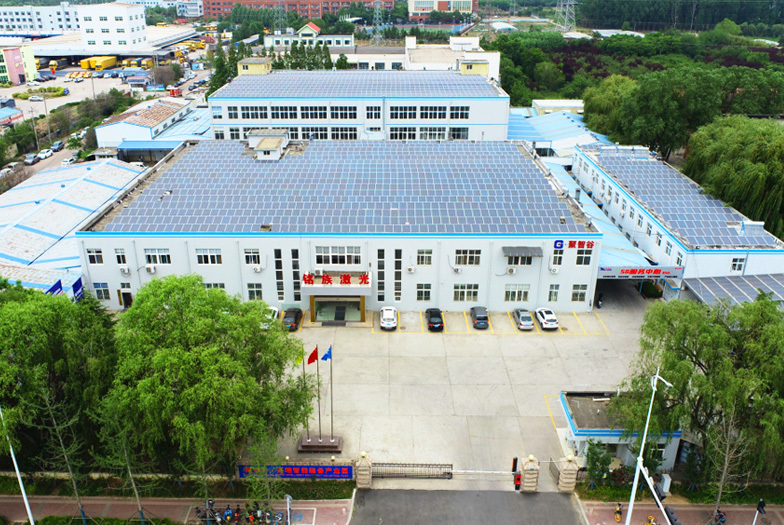
About UsEstablished in 2010, it is the first independent laser brand in Qingdao to integrate research and development, production, and sales of laser equipment.
 КонтактыТелефон службы:+86-400-9988-709
Почтовый ящик:Leo@qdmingzu.com
Почтовый ящик:Info@qdmingzu.com
Адрес:улица Янъян, 97, район Ченьян, Циндао -
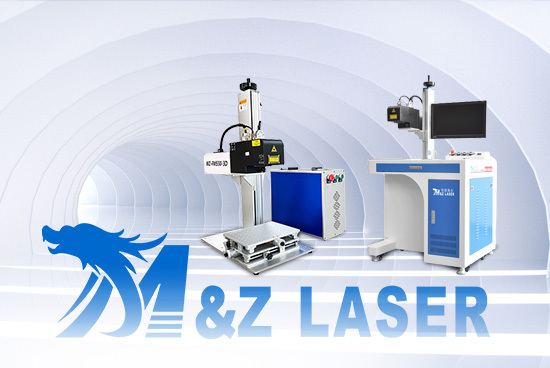
ProductsEstablished in 2010, it is the first independent laser brand in Qingdao to integrate research and development, production, and sales of laser equipment.
 КонтактыТелефон службы:+86-400-9988-709
Почтовый ящик:Leo@qdmingzu.com
Почтовый ящик:Info@qdmingzu.com
Адрес:улица Янъян, 97, район Ченьян, Циндао -
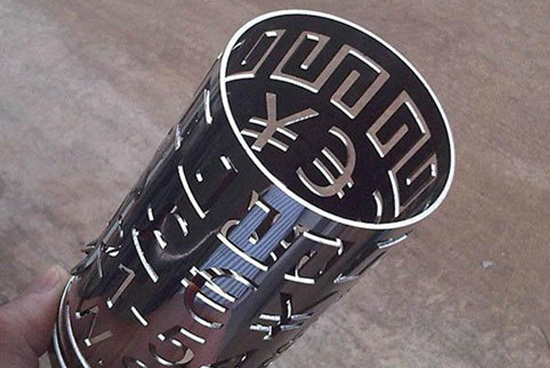
Case CenterEstablished in 2010, it is the first independent laser brand in Qingdao to integrate research and development, production, and sales of laser equipment.
 КонтактыТелефон службы:+86-400-9988-709
Почтовый ящик:Leo@qdmingzu.com
Почтовый ящик:Info@qdmingzu.com
Адрес:улица Янъян, 97, район Ченьян, Циндао -
TechnicalEstablished in 2010, it is the first independent laser brand in Qingdao to integrate research and development, production, and sales of laser equipment.
 КонтактыТелефон службы:+86-400-9988-709
Почтовый ящик:Leo@qdmingzu.com
Почтовый ящик:Info@qdmingzu.com
Адрес:улица Янъян, 97, район Ченьян, Циндао -
NewsEstablished in 2010, it is the first independent laser brand in Qingdao to integrate research and development, production, and sales of laser equipment.
 КонтактыТелефон службы:+86-400-9988-709
Почтовый ящик:Leo@qdmingzu.com
Почтовый ящик:Info@qdmingzu.com
Адрес:улица Янъян, 97, район Ченьян, Циндао

Metal Laser Marking Machine: Application Analysis of Clear Marking on Stainless Steel and Aluminum Alloys (
Release time:
2026-06-13
As a key piece of equipment in the field of modern precision manufacturing, metal laser marking machines are widely used in industries such as hardware fabrication, electronics, mechanical components, and automotive parts. Among these, stainless steel and aluminum alloy—due to their excellent thermal conductivity and stringent surface‑treatment requirements—place particularly high demands on the stability and accuracy of marking systems.
In industrial marking and engraving, metal laser marking machines use a high‑energy‑density laser beam to induce physical or chemical changes on the material’s surface, creating clear, permanent marks such as text, QR codes, serial numbers, and patterns.
I. Characteristics of Laser Marking on Stainless Steel Materials
Stainless steel is widely used in industrial applications; however, its smooth, highly reflective surface places stringent demands on laser parameter control.
The performance of metal laser marking machines in stainless steel processing is primarily reflected in:
- High marking clarity with fine edges.
- Capable of producing black-label, white-label, and engraved effects.
- The marking is corrosion-resistant, wear-resistant, and not easily detached.
- Suitable for applications such as nameplates, tool identification numbers, and anti-counterfeiting labels.
By appropriately adjusting the laser power and repetition rate, high-contrast marking can be achieved without compromising the material’s microstructure.
II. Characteristics of the Marking Process for Aluminum Alloy Materials
Aluminum alloy materials have high thermal conductivity, and conventional machining methods often result in shallow or uneven marking. Laser marking technology, however, can effectively address this challenge.
Its main advantages include:
- Fast marking speed and high efficiency.
- Non-contact surface processing that does not induce mechanical deformation.
- Enables the engraving of fine patterns and complex QR codes.
- The marking remains durable and is resistant to oxidation and fading.
It is particularly widely used in fields such as electronic enclosures, mobile phone accessories, and lightweight automotive components.
III. Technical Features of Metal Laser Marking Machines
Modern metal laser marking machines are continuously optimized in both structure and performance, featuring the following characteristics:
- High-stability fiber laser source
- High-precision galvanometer scanning system
- Precision spot control capability
- Supports high-speed continuous marking.
- The software is easy to use and supports importing multiple graphic formats.
- Compatible with automated production line integration
These features enable it to meet the demands of large-scale, high-precision industrial production.
IV. Scope of Application Industries
Metal laser marking machines are widely used in numerous industrial sectors:
- Hardware tool manufacturing
- Machining of mechanical components
- Electrical and electronic product labeling
- Automotive parts number
- Medical Device Labeling
- Sensors and Precision Instruments
Its stable processing performance has made it one of the key pieces of equipment in modern industrial marking.
V. Description of the Features of Mingzu Laser Equipment
Mingzu Laser specializes in the R&D and manufacturing of industrial laser equipment and boasts a mature technological platform in the field of metal laser marking machines.
The equipment’s advantages are primarily reflected in:
- Industrial-grade stable structural design
- High-precision marking effect control
- Supports processing of multiple materials, including stainless steel and aluminum alloy.
- Stable operation, suitable for long-term continuous use.
- Customizable configurations are available to meet production requirements.
In practical applications, it can help users improve the efficiency and consistency of label processing.
VI. Summary
Metal laser marking machines offer irreplaceable advantages in the processing of stainless steel and aluminum alloys. Their high precision and non-contact machining approach have made them an essential tool for modern industrial marking.
With the advancement of intelligent manufacturing, such equipment will be deployed across an expanding range of industries to enable automation and enhanced efficiency, driving industrial marking toward higher quality standards.

Tiktok QR code
Service Phone:+86-400-9988-709
Address: No.97 YanYang Road, ChengYang District, Qingdao City
COPYRIGHT © 2023 MINGZU LASER TECH CO.,LTD ALL RIGHTS RESERVED