
-
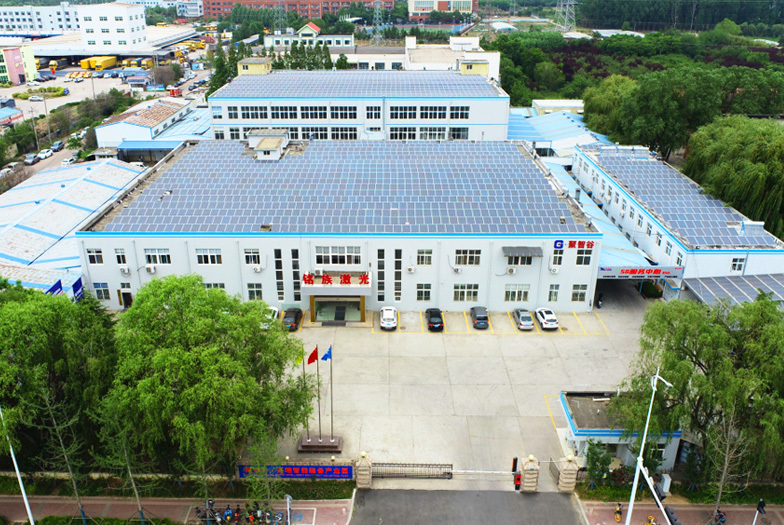
About UsEstablished in 2010, it is the first independent laser brand in Qingdao to integrate research and development, production, and sales of laser equipment.
 КонтактыТелефон службы:+86-400-9988-709
Почтовый ящик:Leo@qdmingzu.com
Почтовый ящик:Info@qdmingzu.com
Адрес:улица Янъян, 97, район Ченьян, Циндао -
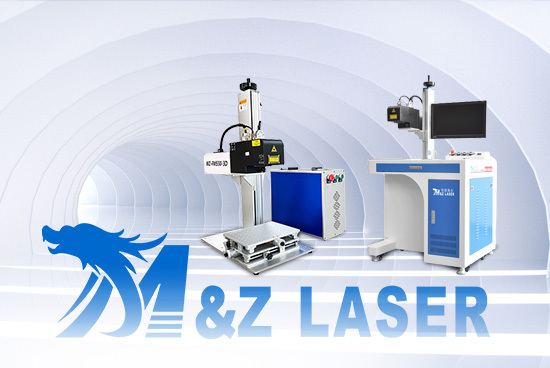
ProductsEstablished in 2010, it is the first independent laser brand in Qingdao to integrate research and development, production, and sales of laser equipment.
 КонтактыТелефон службы:+86-400-9988-709
Почтовый ящик:Leo@qdmingzu.com
Почтовый ящик:Info@qdmingzu.com
Адрес:улица Янъян, 97, район Ченьян, Циндао -
Case CenterEstablished in 2010, it is the first independent laser brand in Qingdao to integrate research and development, production, and sales of laser equipment.
 КонтактыТелефон службы:+86-400-9988-709
Почтовый ящик:Leo@qdmingzu.com
Почтовый ящик:Info@qdmingzu.com
Адрес:улица Янъян, 97, район Ченьян, Циндао -
TechnicalEstablished in 2010, it is the first independent laser brand in Qingdao to integrate research and development, production, and sales of laser equipment.
 КонтактыТелефон службы:+86-400-9988-709
Почтовый ящик:Leo@qdmingzu.com
Почтовый ящик:Info@qdmingzu.com
Адрес:улица Янъян, 97, район Ченьян, Циндао -
NewsEstablished in 2010, it is the first independent laser brand in Qingdao to integrate research and development, production, and sales of laser equipment.
 КонтактыТелефон службы:+86-400-9988-709
Почтовый ящик:Leo@qdmingzu.com
Почтовый ящик:Info@qdmingzu.com
Адрес:улица Янъян, 97, район Ченьян, Циндао

What is the difference between laser marking and traditional marking technology
Release time:
2024-07-12
Comparison of laser marking and traditional marking technology
In the field of industrial manufacturing and marking, laser marking technology has increasingly become an important choice. Compared with traditional marking technology, it has significant advantages and differences. This paper will discuss the differences between laser marking machine and traditional marking technology in terms of process, efficiency, accuracy and application range.
Working principle and process
Traditional marking techniques typically use mechanical scribing or chemical etching for marking, which rely on physical forces or chemical reactions to change the properties of the material surface to form the mark. For example, mechanical marking can use a tool or drill to directly cut or score the surface; chemical etching creates the mark by eroding the surface of the material.
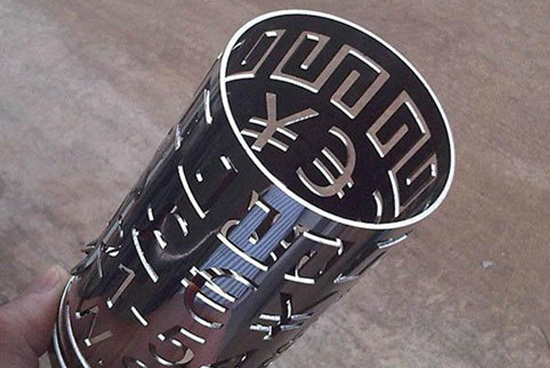
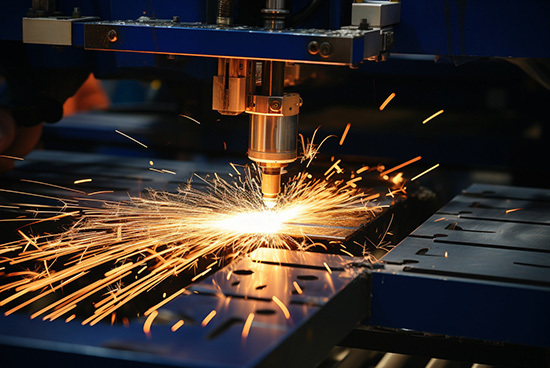
Laser marking technology uses a laser beam to act directly on the surface of the material, and the energy density of the high-energy laser causes the material to heat up or vaporize locally, thereby forming a permanent mark on the surface. This non-contact processing mode avoids the influence of physical contact or chemical treatment on the material, and can achieve more fine and complex marking effect.

Accuracy and speed
Laser marking technology is favored for its high precision and high speed. The diameter of the laser beam can be adjusted to achieve fine marks on the micron level, especially for precision parts and small size marks. In addition, the laser marking process is fast, and the marking of complex patterns or characters can be completed in a short time, which improves production efficiency.
Traditional marking technology is usually slow and difficult to achieve high-precision marking due to its dependence on mechanical or chemical processes, especially when dealing with complex patterns or curved surfaces.
Scope of application and applicable materials
Laser marking technology can handle a variety of materials, including metals, plastics, glass, ceramics, etc. Its non-contact and high energy density make it suitable for materials of various hardness and surface characteristics, whether for surface marking or deep engraving.
Traditional marking technology has its application advantages in specific materials, for example, some specific metal alloys may be more suitable for traditional scoring or etching methods, but with the progress of laser technology and the improvement of material adaptability, the application range of laser marking technology in various materials is expanding day by day.
Environmental friendliness and cost-effectiveness
Laser marking technology is considered to be an environmentally friendly choice because it does not require the use of chemicals and consumes a small amount of energy. Traditional marking technology may involve chemical waste treatment and a large amount of energy consumption. From the perspective of environmental protection and cost-effectiveness, laser marking technology has obvious advantages.
In summary, laser marking technology, with its high precision, high efficiency and wide applicability, is gradually replacing the traditional mechanical scoring and chemical etching technology, and has become one of the important tools in modern industrial manufacturing and marking industry. With the continuous advancement of technology and the expansion of application fields, laser marking technology will continue to play an important role in the future.

Tiktok QR code
Service Phone:+86-400-9988-709
Address: No.97 YanYang Road, ChengYang District, Qingdao City
COPYRIGHT © 2023 MINGZU LASER TECH CO.,LTD ALL RIGHTS RESERVED